

Bee Blitz 2026: Documenting Pollinator Diversity at Lindsay Farm Preserve
Monitoring biodiversity is a core part of Heritage Conservancy’s science and stewardship work, and pollinators are one of the biggest pieces of that picture. On July 25, 2026, Conservation Biologist Sebastian Harris led a Bee Blitz at our Lindsay Farm Preserve, aimed at documenting bee diversity in the preserve’s newly established pollinator meadow.
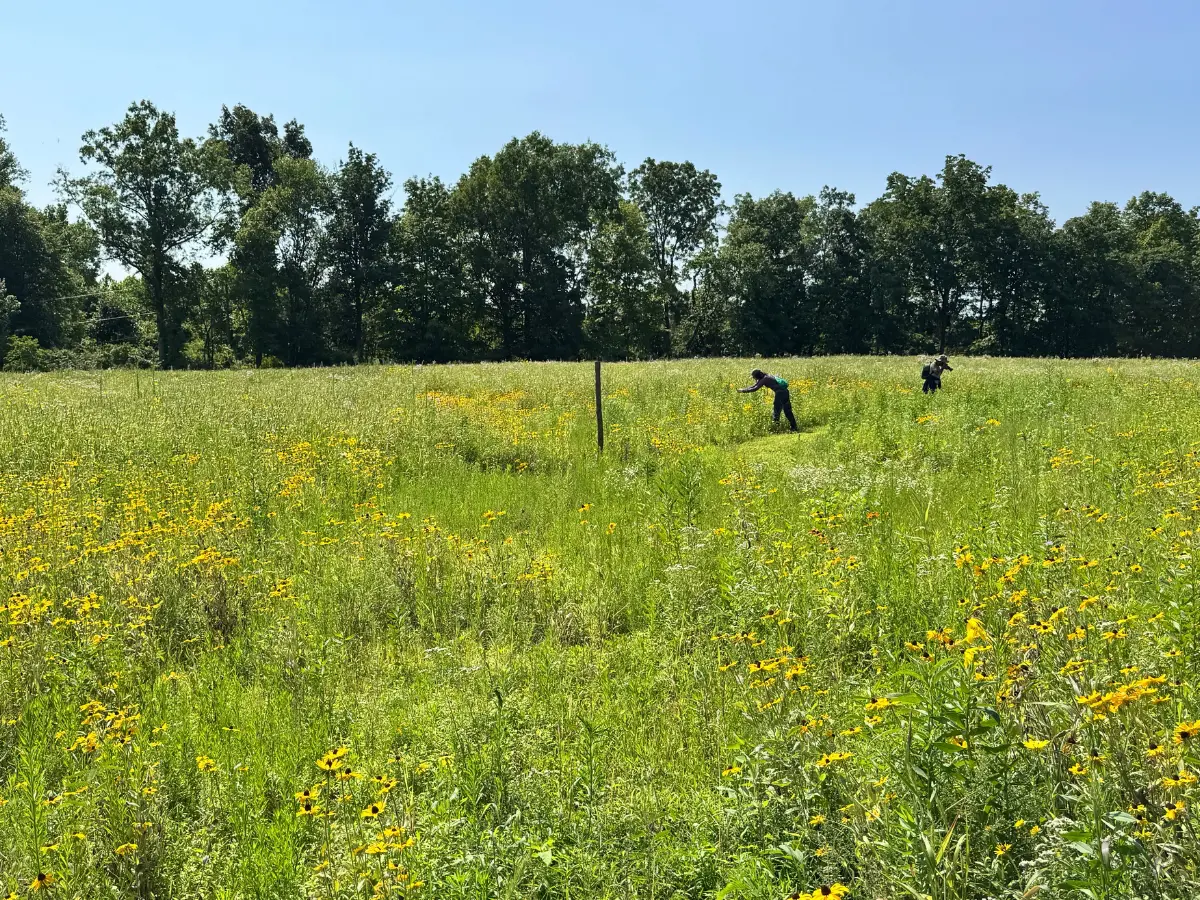
A “blitz” is a type of biodiversity survey where scientists, experts, and community volunteers work together to find and record as many species as possible in a specific area over a short period of time. These surveys typically run over a full 24 hours, but this one was condensed into a much shorter window, with the team moving quickly through the meadow to log as many observations as they could.
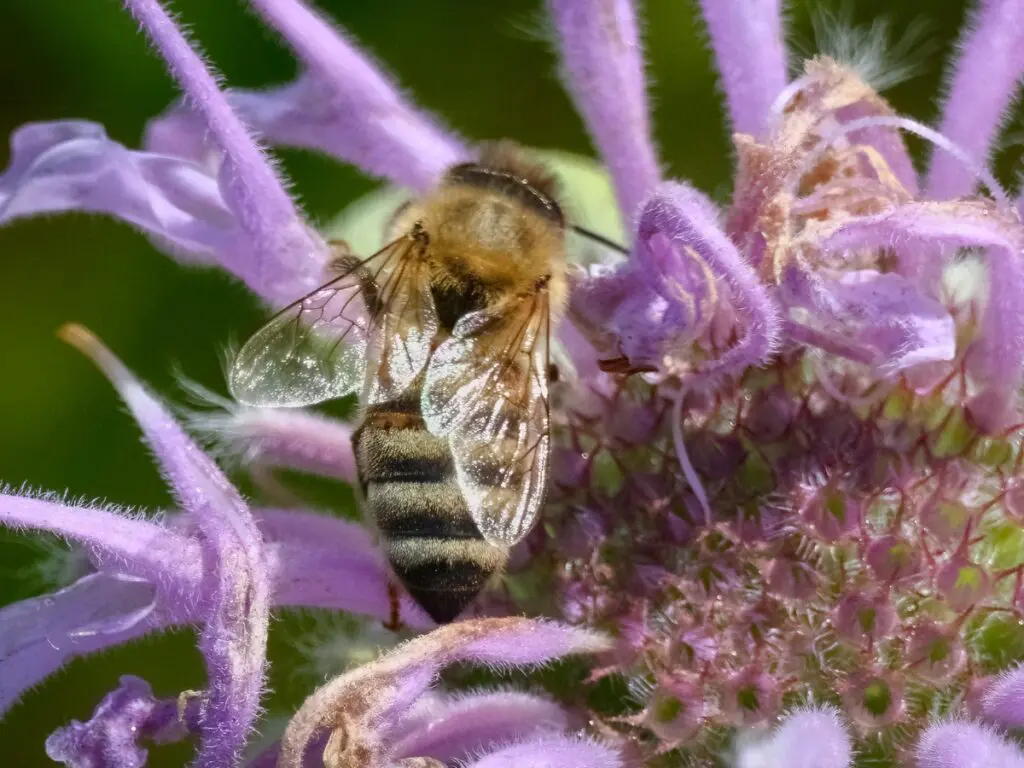
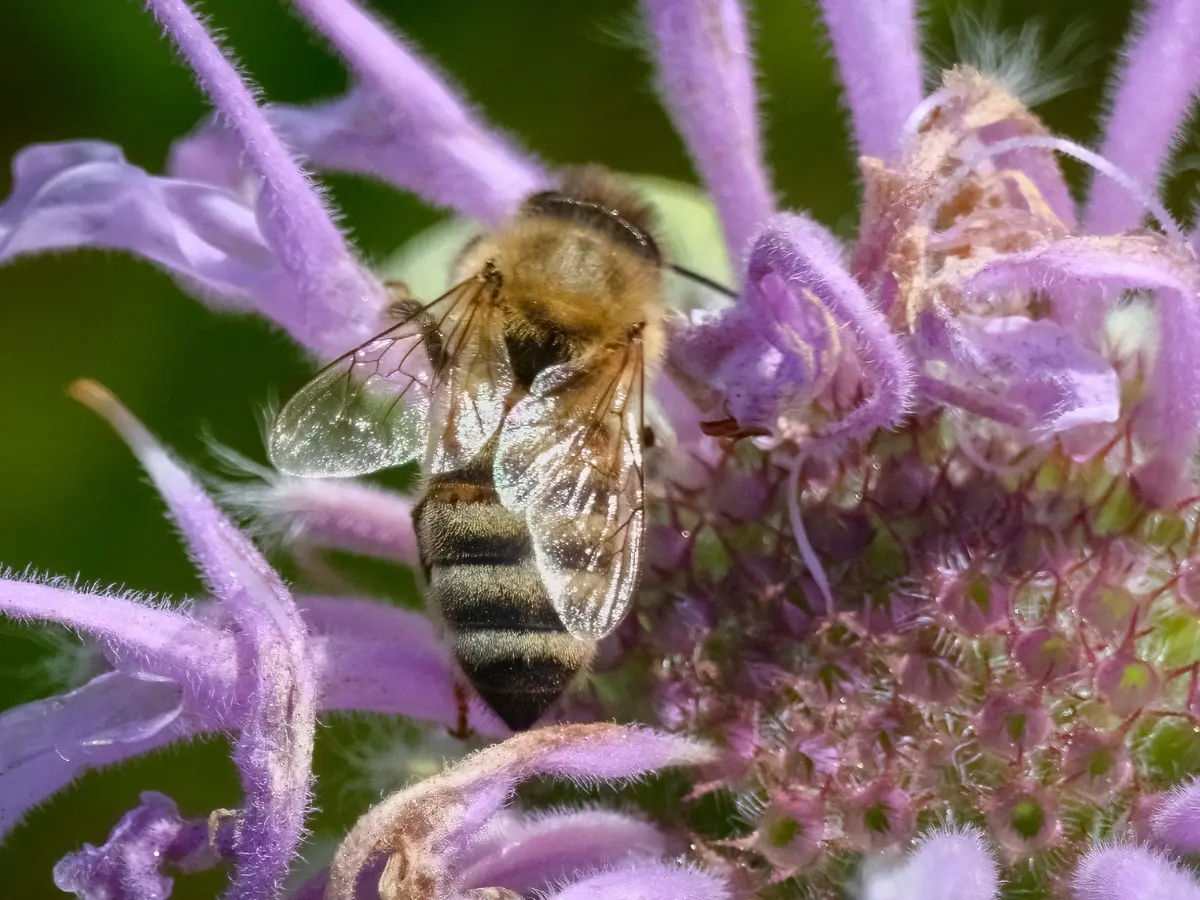
Six volunteers joined Sebastian for the 2 hour survey, working through the meadow with cameras and the iNaturalist app to photograph and help identify what they found. Over 100 observations were made, with at least 30 species of insects documented. Identifications are still being reviewed and confirmed as more people weigh in.
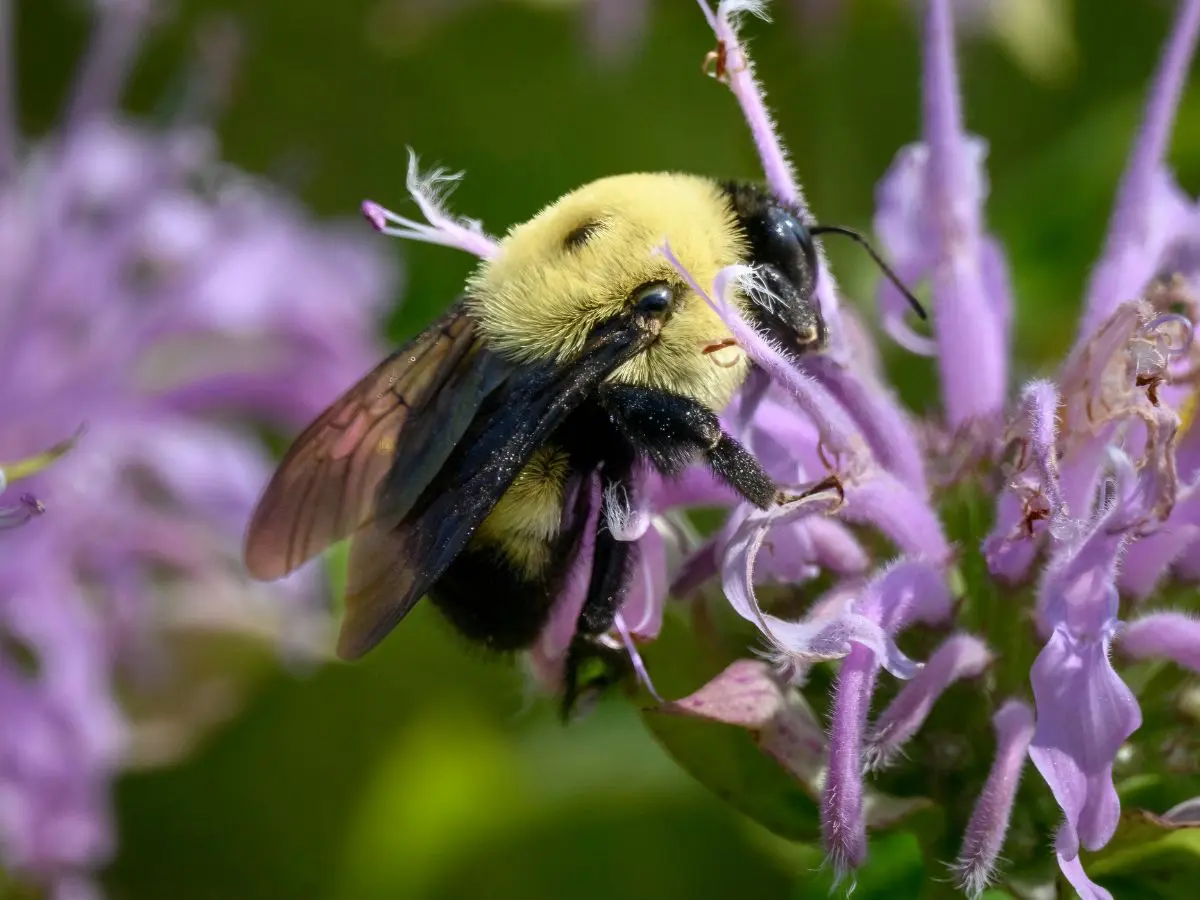
Bees identified so far include:
Eastern carpenter bee (Xylocopa virginica)
Common eastern bumble bee (Bombus impatiens)
Black-and-gold bumble bee (Bombus auricomus)
Brown-belted bumble bee (Bombus griseocollis)
Furrow bees (genus Halictus)
Augochlorine sweat bees (tribe Augochlorini)
Masked bees (genus Hylaeus)
In addition to all of the bees, there was an abundance of butterflies as well! Including charismatic species such as:
Monarchs (Danaus plexippus)
Eastern tiger swallowtails (Papilio glaucus)
Black swallowtails (Papilio polyxenes)
Spicebush swallowtails (Papilio troilus)
Silver-spotted skippers (Epargyreus clarus)
Zabulon skippers (Lon zabulon)
The meadow itself is only in its second full season as pollinator habitat, having been converted from a 15-acre former cornfield in 2025 as part of Heritage Conservancy’s ongoing restoration work at Lindsay Farm Preserve. Events like this one give the team a way to start measuring how that habitat is performing by tracking which species are actually using the space. Please note that Lindsay Farm Preserve is not yet open to the public.
Longtime Heritage Conservancy volunteer Barbara Bell-Hawkey was among the group, and captured some detailed macro photographs during the survey. For years, Barbara has photographed our preserves and special events; all the photos featured here are hers.
As species identifications continue to come in, Heritage Conservancy will use the results to better understand how the Lindsay Farm Preserve meadow is functioning as pollinator habitat in its second year, informing stewardship decisions for the site going forward.
Interested in participating in a Community Science event like this one? Connect with Kaylyn Brindisi, Volunteer and Development Events Associate, for opportunities and more details: kbrindisi@heritageconservancy.org