

Deer Management for Forest Health
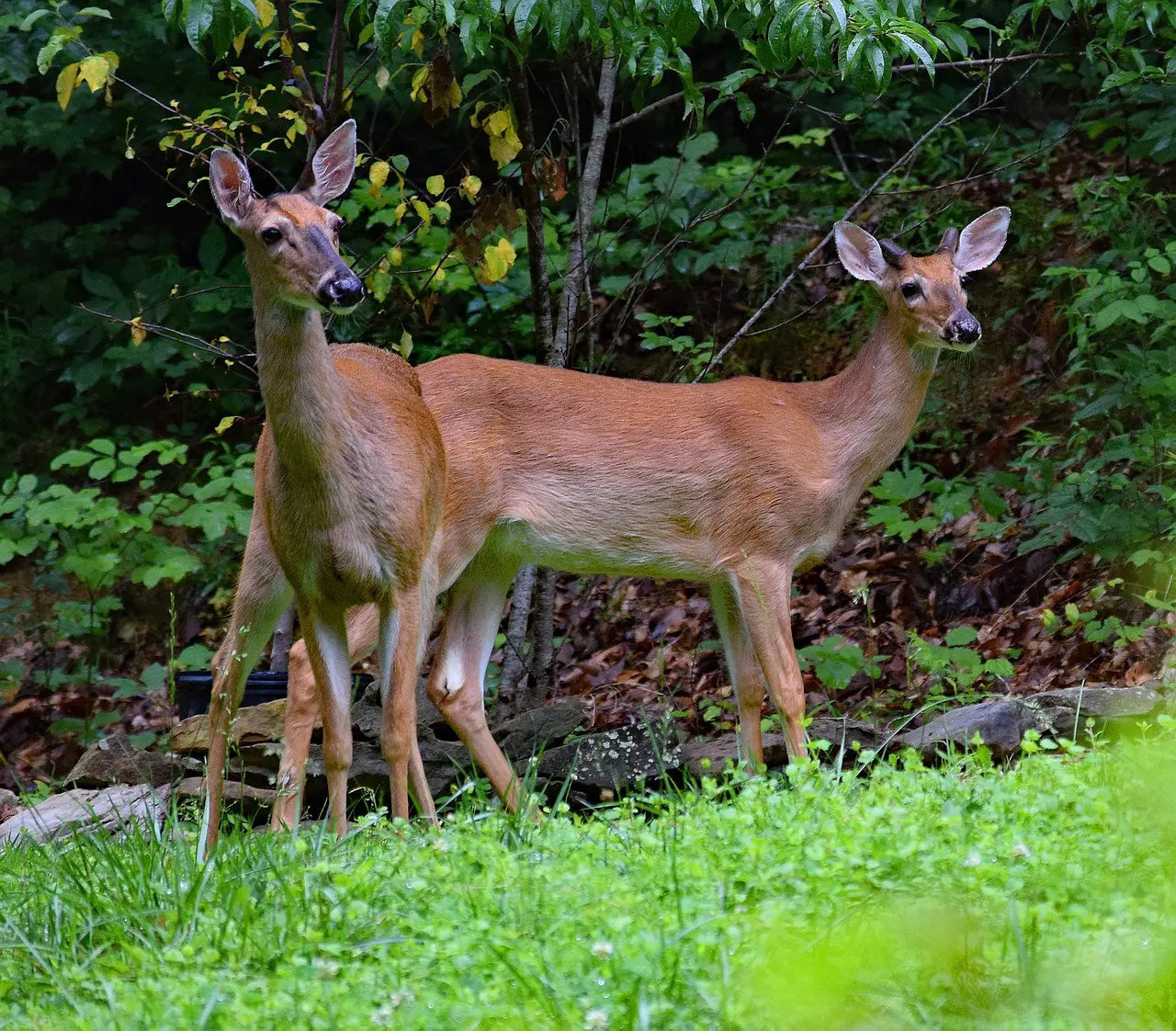
Deer are plentiful and common all over Pennsylvania – especially in suburban communities.
A combination of swelling populations, loss of predators, and reduced hunting pressure have tipped the balance of nature – creating a threat to the long-term health of local forests and other habitats.
The Ecological Impact
When deer populations exceed a forest’s sustainable food source capacity, they create browse lines, a boundary where they have consumed all the vegetation they can reach. They consume tree seedlings before they can mature, disrupting a forest’s natural regeneration. Deer also feast on native wildflowers, shrubs, and understory plants that are vital to forest ecosystems.
A vanishing understory threatens habitat for ground-nesting birds, reptiles, amphibians, mammals, and pollinators, who also depend on those plants for food and shelter. As forests lose plant diversity, both forest and soil health suffer. A reduction in the abundance of plants affects root systems that prevent soil erosion, which is becoming an increasingly serious problem. The high diversity of plants in a forest makes them resilient to the negative impacts of new diseases, pests, and climate change.
Heritage Conservancy’s Management Strategy
We manage local deer populations through a small, targeted archer management program on our nature preserves.
Hunting is limited to low- or no-traffic areas away from public trails, and with a limited, licensed group of archers who know and respect the land. Exact dates change each year, but hunting season runs from mid-September to mid-January. Archers are most active at dawn and dusk, and signage is always posted in areas where hunting takes place.
Our Deer Management Program uses archery, with a few exceptions. We work with about 70 local hunters who are limited to specific preserves. They are screened carefully and complete mandatory volunteer work annually, further helping with our stewardship work. Many of our archers have been with the program for 10 years or more.
For your safety
Stay on marked trails.
Pets must be leashed at all times.
Wear brightly colored clothes.
Interested in joining our Deer Management Program?
We are full at the moment, but you can join the waitlist here.
Deer Damage to the Forest: How White-Tailed Deer Endanger our Woodlands
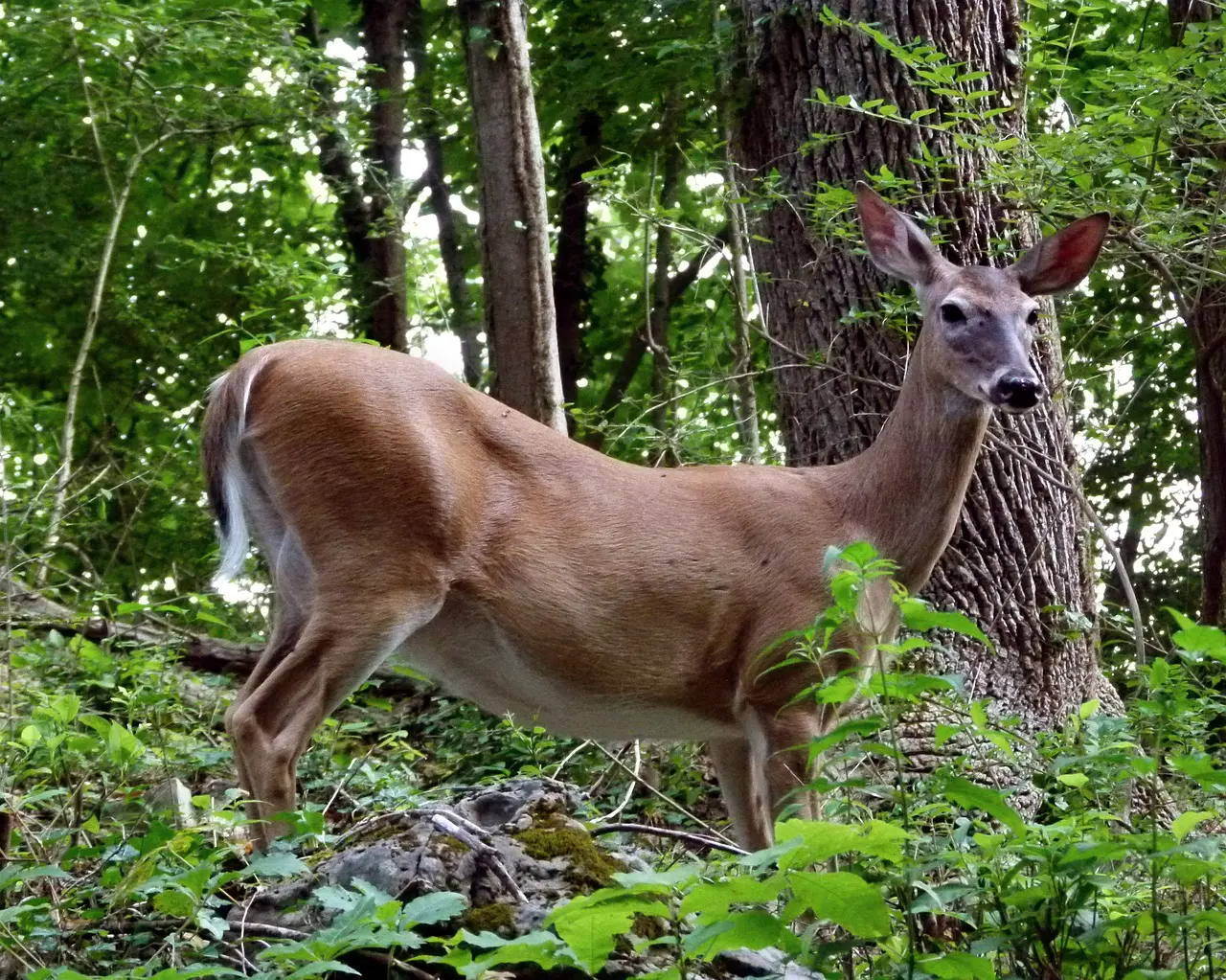
The white-tailed deer is cute, yes. Over the past decade, many of us have enjoyed increased backyard visitation and photo ops from an expanding deer population. What concerns local nature experts is the damage the beautiful creatures have wrought on wooded areas and the ecosystems that support other wildlife and keep our forests in balance.