

Visit our Preserves
Jackson Pond Nature Preserve
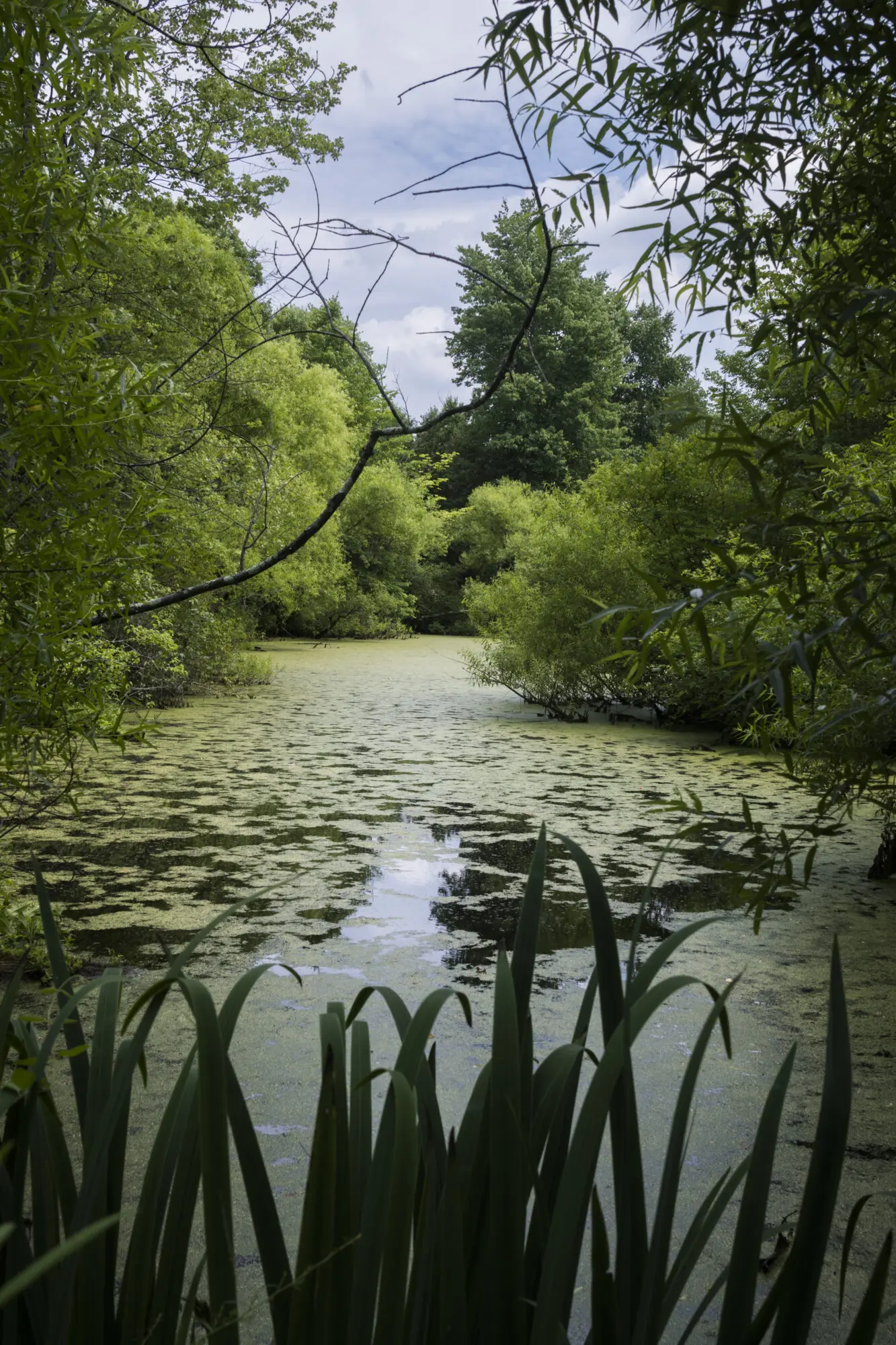
Located in Buckingham Township, Heritage Conservancy’s Jackson Pond Preserve offers a pollinator meadow trail and views of the water.
About Jackson Pond Nature Preserve
This 10-acre property consists of a small wooded area around a man-made pond and a 4-acre pollinator meadow, added in 2017. Heritage Conservancy staff continues to plant native trees and shrubs that help support the pollinators early in the season, when most perennial plants are still dormant.
There is a trail system at Jackson Pond Preserve that takes visitors through the pollinator meadow and around the pond. Heritage Conservancy uses the preserve for field trips with local schools as well as community events like Pollinator Palooza and photography workshops.
Visitor Info
Approximate Address: 3666-3766 Lower Mountain Rd, Furlong, PA 18925
Parking: Jackson Pond Preserve is located in the grassy area at the preserve entrance off of Lower Mountain Road, between Stump and Forest Grove Road. Look for the Heritage Conservancy sign, just before the intersection of Lower Mountain and Forest Grove. Please use the driveway marked with two red poles and the Jackson Pond entrance sign.
The preserve is open from sunrise to sunset.
Important to Know
- Jackson Pond Preserve is closed to all motorized vehicles.
- Pets are welcome but must remain on leash at all times.
- Don’t forget to check for ticks after a walk at Jackson Pond Preserve.
- There are no public bathrooms at the preserve.
- Be sure to pack a water bottle! There are no water fountains.
- There are no trash cans at the preserve. Please do not litter.
- This property is enrolled in a deer management program, and certain trails may be closed periodically during deer hunting season
Amenities and Special Features
Picnic tables are located along the pond trail. Please take all trash out with you. Kiosks at the entrance will post updates and information.
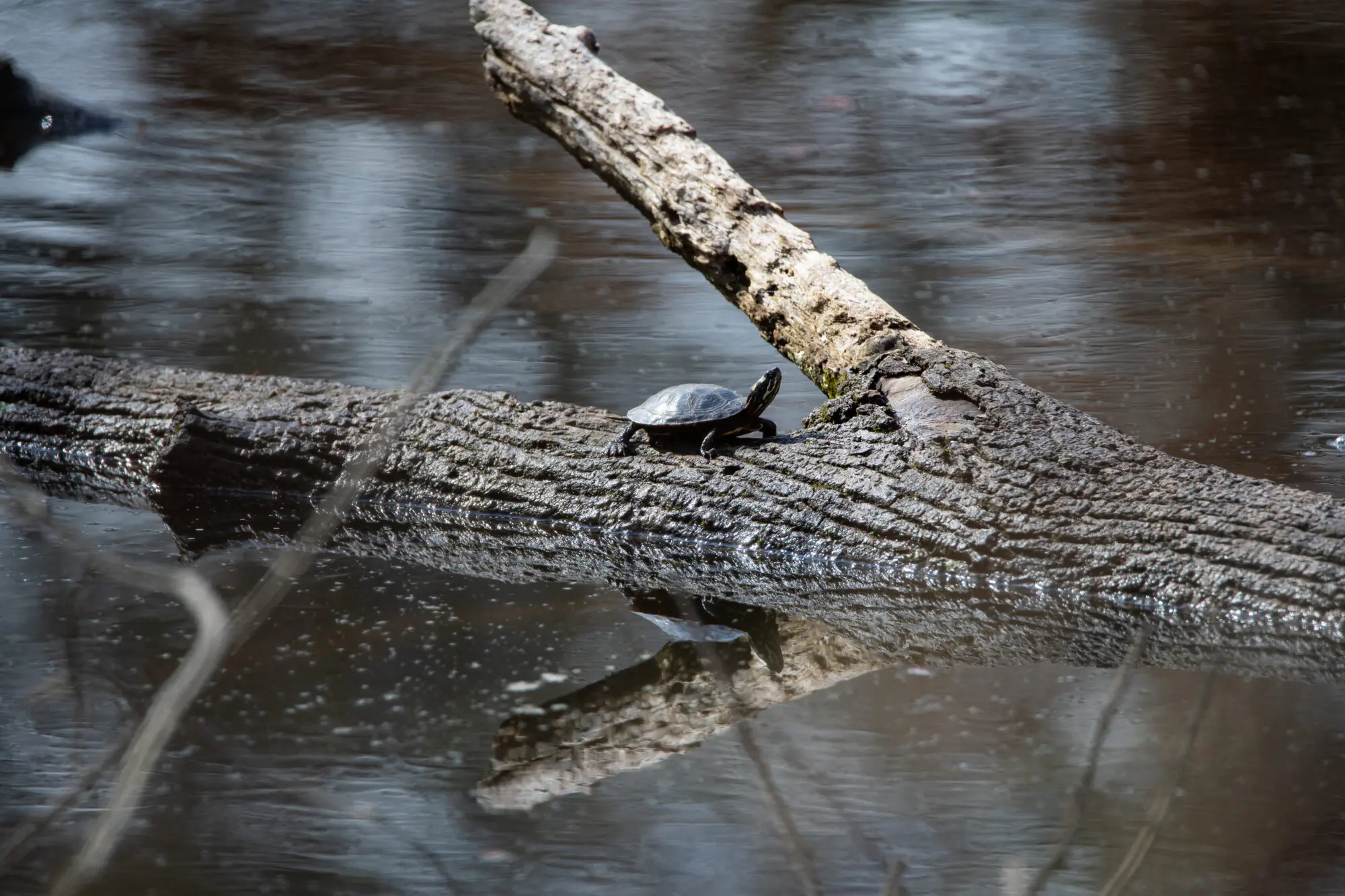
Follow the trail around to the pond and keep an eye out for wood ducks; we have nesting boxes for them around the pond. There are often a pair of green herons that nest near the pond. On sunny days, you can spot turtles basking on the floating platforms in the pond as well.
Accessibility
There are several benches spaced around the pond trail. Please note that there are narrow boardwalks on the pond trail with high step ups.
The pollinator meadow is in full sun. Please stay hydrated and bring sunscreen. This trail is grassy and is mowed regularly.
Exploring Jackson Pond Nature Preserve
Pollinator Meadow Trail (0.4 miles)

Pollinator Meadow Trail (0.4 miles) is a flat figure-eight mowed trail. Follow the mowed path through the pollinator meadow. This trail connects to the Pond Loop at one side of the figure-eight.
Pond Loop (0.3 miles)
Pond Loop (0.3 miles) is a flat unmarked loop trail around the pond. It is a mix of paved and dirt trail with frequent bumps and roots as well as boardwalks.
The Story of Jackson Pond Preserve
Jackson Pond Preserve was donated by Bremmer Hogg Jackson and Jane B. Jackson in 1972 with a stipulation that it should remain an open space for wildlife and education. At the time of donation, the property consisted of a small, human-made pond, forest edge, and a 4-acre hayfield. So how did today’s pollinator meadow come about?
The farmer who had leased the property no longer wanted to work the hay field, as it had shallow soils and was relatively unproductive, so Heritage Conservancy decided to convert the hayfield into a native pollinator meadow.
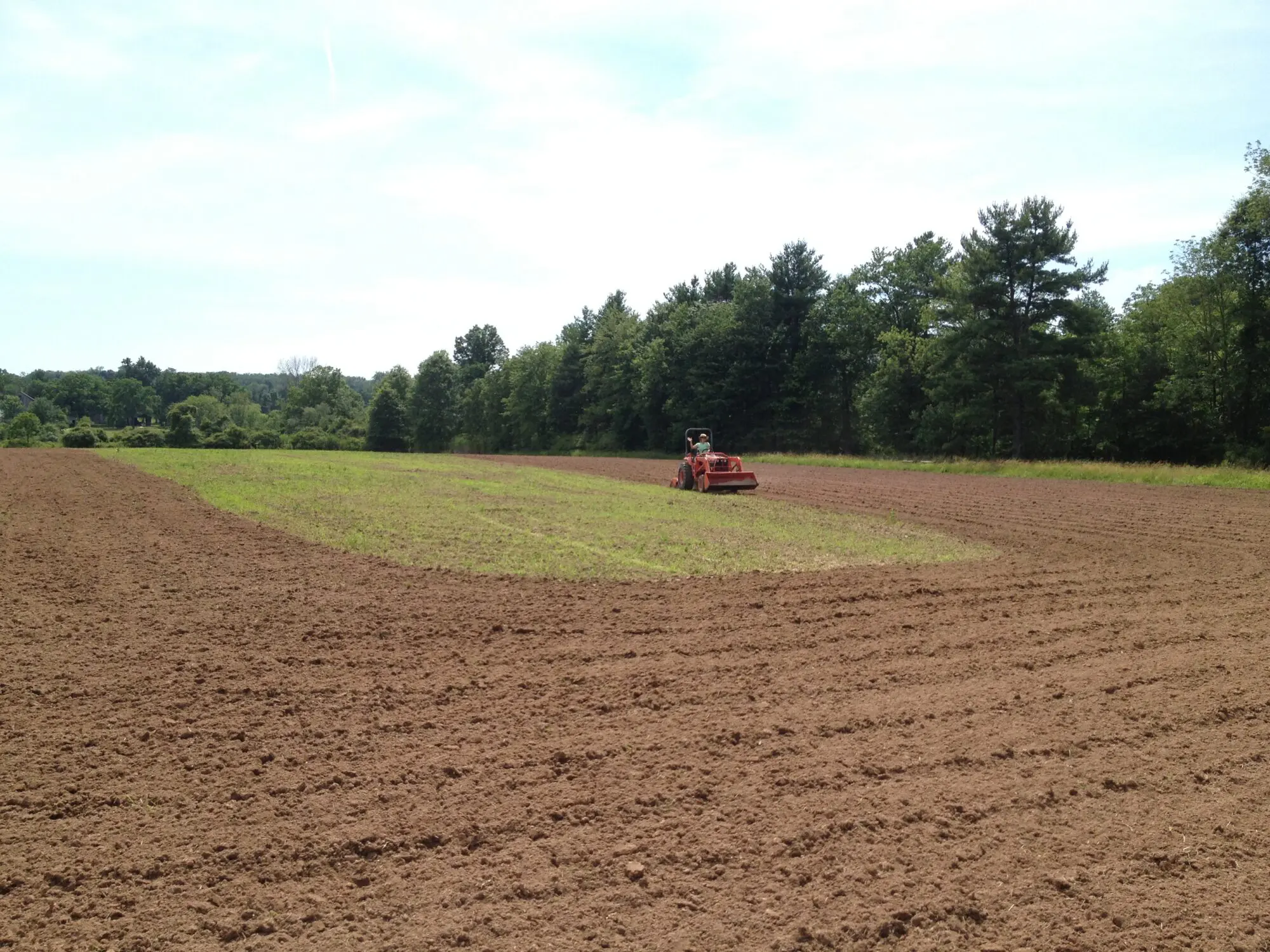
To plant a successful meadow here, it took a lot of preparation at the site. The meadow was installed organically, which means no herbicides were used to kill the existing vegetation. Beginning in 2017, the field was repeatedly tilled to deplete the noxious and invasive plants. In 2018, a seed mixture of native wildflowers and native grasses was spread. Then the field was cut regularly to allow for better wildflower survival. In 2019, it was left to fully grow, but continued to be monitored for invasive plants.
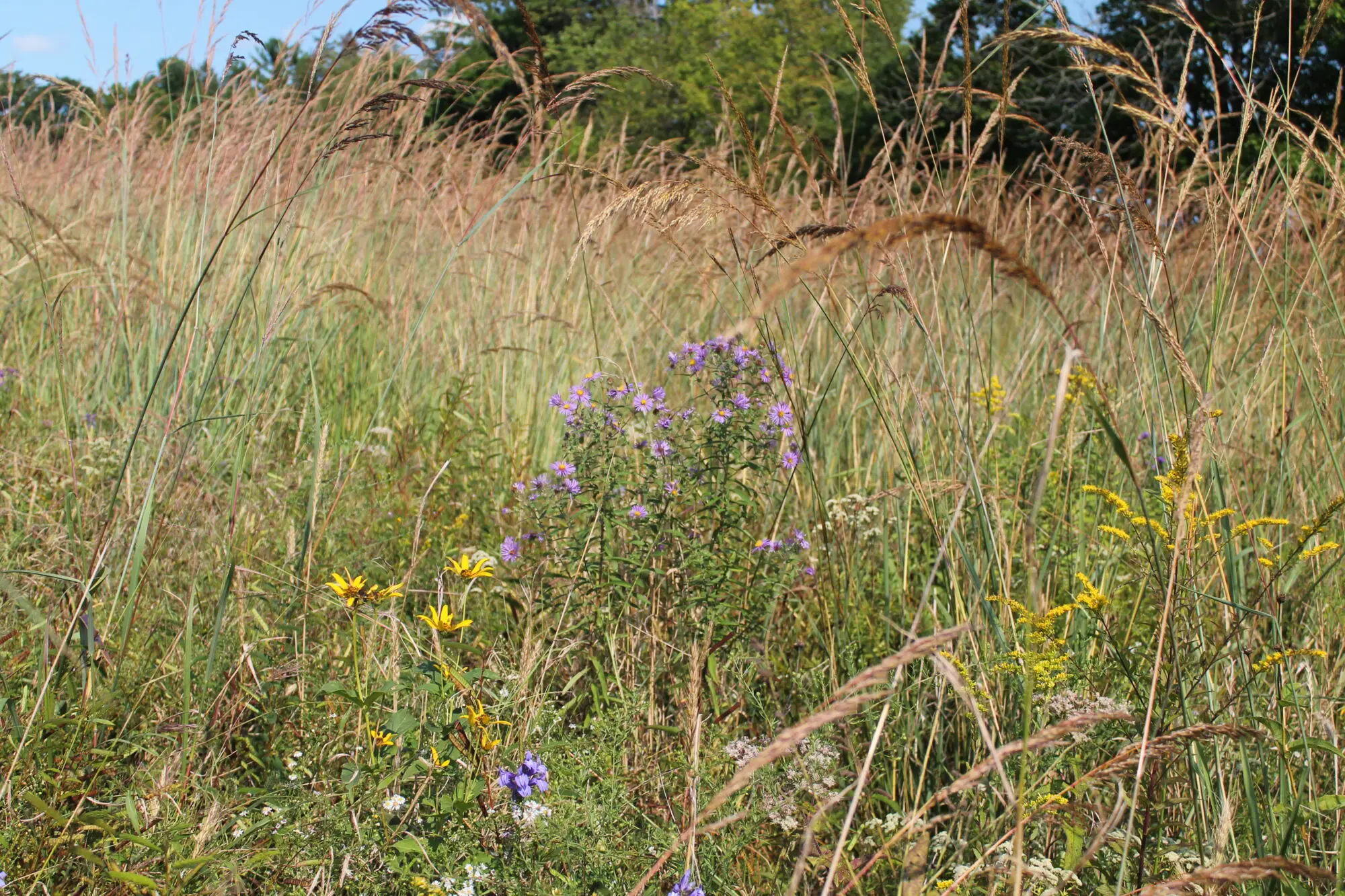
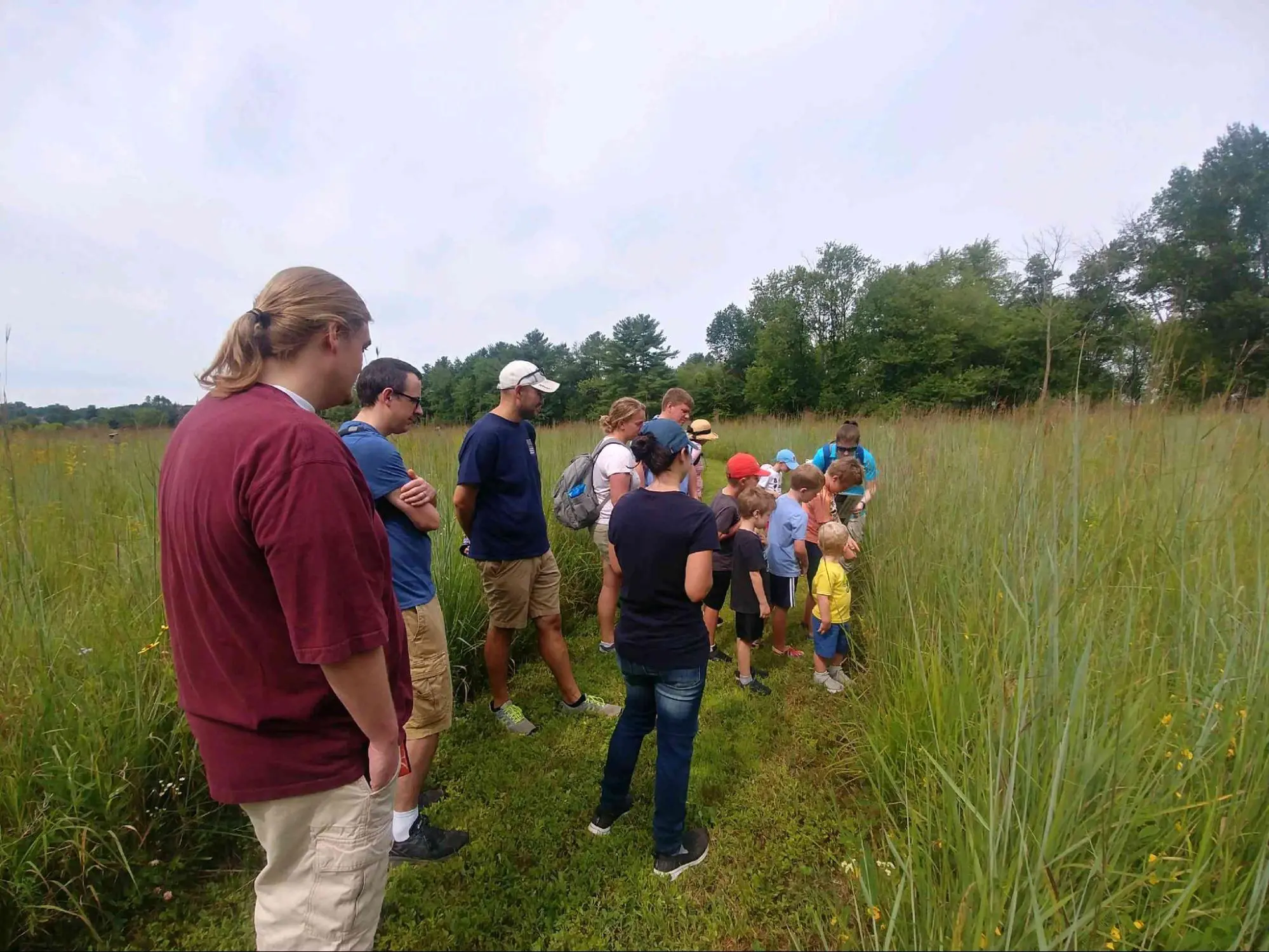
Today, Jackson Pond Preserve has a flourishing pollinator meadow! The mix of native grasses and wildflowers helps to support a variety of stages in the life cycles of pollinators. The meadow also serves to educate the general public on the importance of pollinators during tours and events.
Wildlife at Jackson Pond
A pollinator is an insect, bird, or mammal that moves pollen grains around the plant, leading to fertilization so that the plant can produce seeds, nuts, fruits, and/or vegetables.
Pollinator species (such as bees and butterflies) support much of the world’s food crop production, and many of our vital pollinators are threatened with extinction. The pollinator meadow at Jackson Pond provides habitat for pollinators.
Plant Life
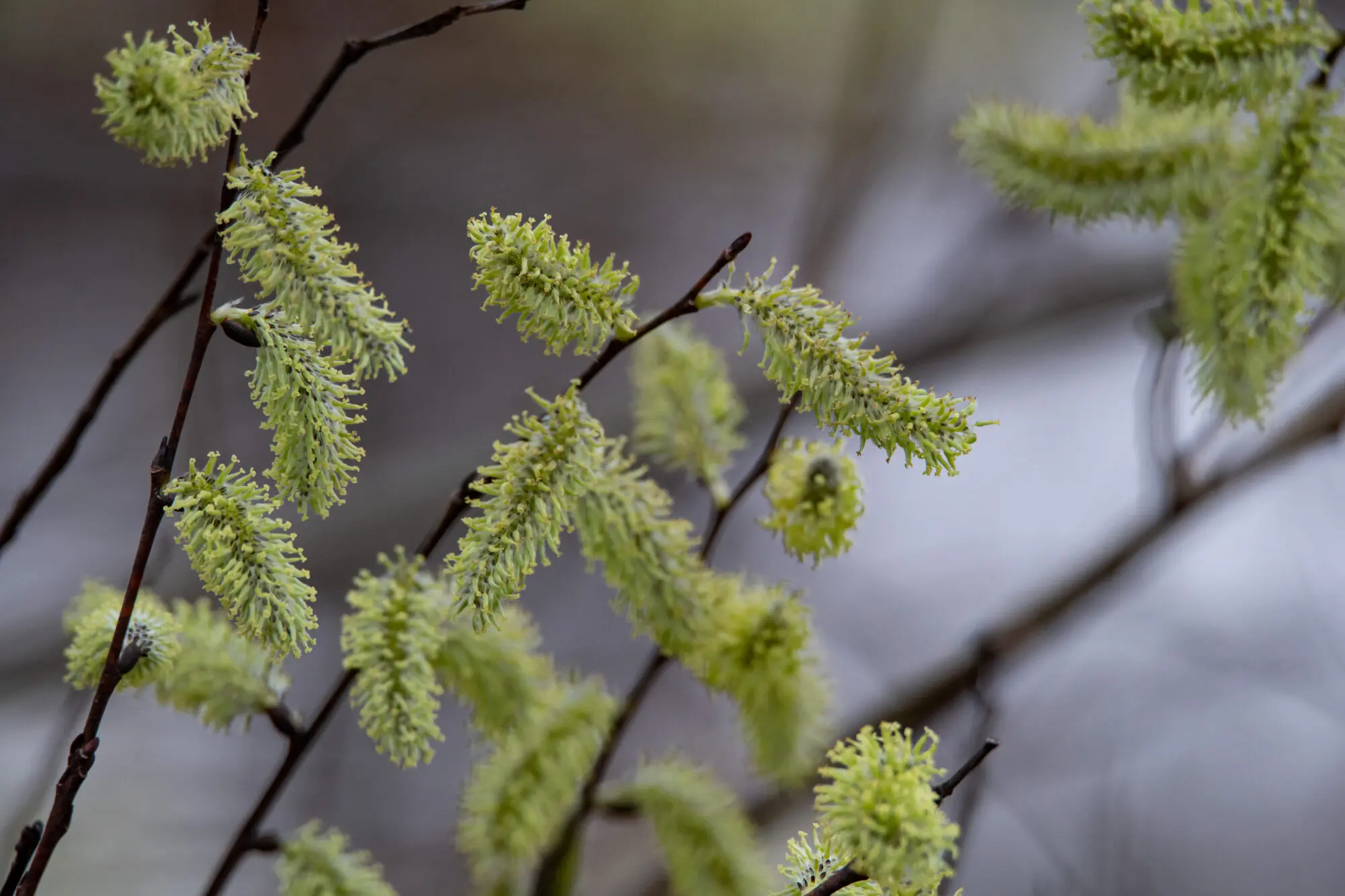
The pollinator meadow includes a variety of flowering plants and grasses, including swamp milkweed, narrowleaf mountain mint, goldenrod, Indian grass, black-eyed Susan, and more. A native hedgerow was planted at the far end of the meadow and includes trees and shrubs such as spicebush, willow, hawthorn, winterberry and swamp rose. Larger trees found on the property include pin oak, black walnut, dogwood, sweet gum, maple, and pine.
There have been some invasive plants noted at the site, including multi-flora rose, Japanese stilt grass, Japanese honeysuckle, and autumn olive. Our team, volunteers, and interns work hard to manage these invasives.
On top of the pond, you may notice a green plant called duckweed. It serves as a food source for different organisms, including waterfowl. However, if excessive nutrients are added to the water, such as runoff from nearby farms containing fertilizer, duckweed can quickly cover the pond surface, blocking out sunlight and reducing oxygen levels, which affects aquatic life.
Animals
Commonly observed pollinators at the preserve include bumble bees, carpenter bees, European honey bees, wasps, monarch butterflies, painted lady butterflies, Viceroy butterflies, eastern tiger swallowtail butterflies, and black swallowtail butterflies.
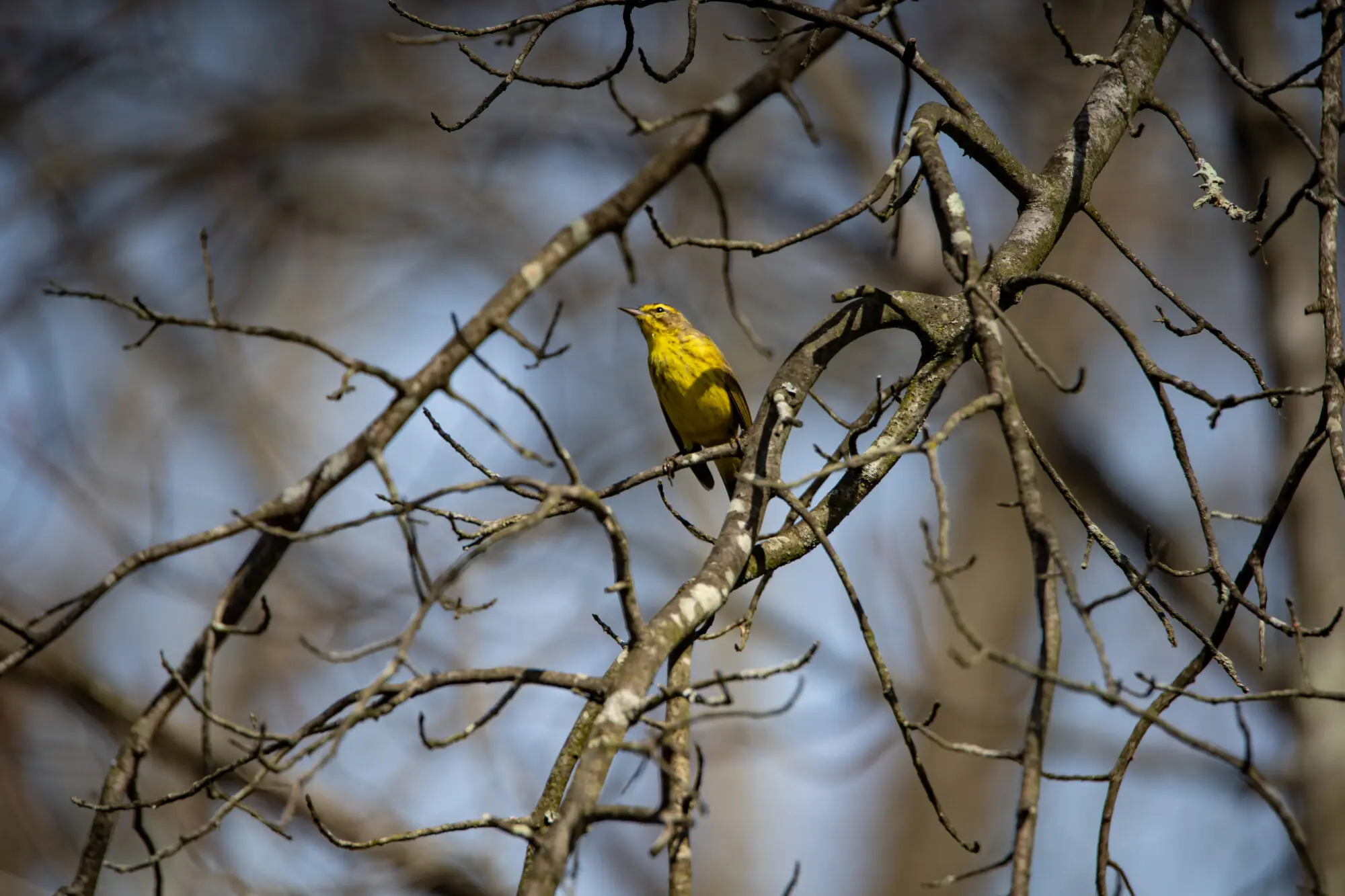
The pond hosts a variety of animal life, including wood ducks, mallards, canada geese, herons, frogs, turtles, and multiple fish species. Also on the property, you can find white-tailed deer, foxes, garter snakes, tree frogs, and a variety of songbirds.
Community Engagement at Jackson Pond
From the beginning, Jackson Pond Preserve has been a community project. Volunteers continue to assist in the removal of invasive plants and plant new native trees and shrubs around the preserve. In 2020, Heritage Conservancy hosted its first Pollinator Palooza, a community event about the importance of pollinators.
Maintenance assistance from Doylestown Boy Scout Troop 71, who contributed over 400 hours of time to removing invasive species, clearing the trail, and providing other habitat enhancements at Jackson Pond Preserve, was essential in ensuring that the preserve was ready for the event. The benches, kiosk, wood duck boxes, and multiple boardwalks were built by the troop as Eagle Scout projects. The Scouts are currently performing continued maintenance at this preserve.
Working to earn their Bronze Award, Girl Scout Troop 249 from Doylestown developed educational signs about pollinators that were placed around the preserve for the event.
Heritage Conservancy also hosts educational field trips with local schools at the preserve and public events that engage the community and teach guests about the importance of protecting natural resources.