

Leave the Leaves
Pennsylvania summers make me think of running around bare foot in my parents’ backyard catching fireflies. Every summer, I get excited to see those little blinking lights on warm evenings. But did you know that firefly populations are declining? Fortunately, skipping one of our least enjoyed outdoor chores (raking leaves) may help their populations to recover.
The International Union for Conservation of Nature (IUCN) estimates that 14% of firefly species are threatened or on the verge of extinction. And a big reason for this has to do with how we manage our lawns and gardens.
Fireflies spend most of their life cycle in their larval stage, which can be up to 2 years.
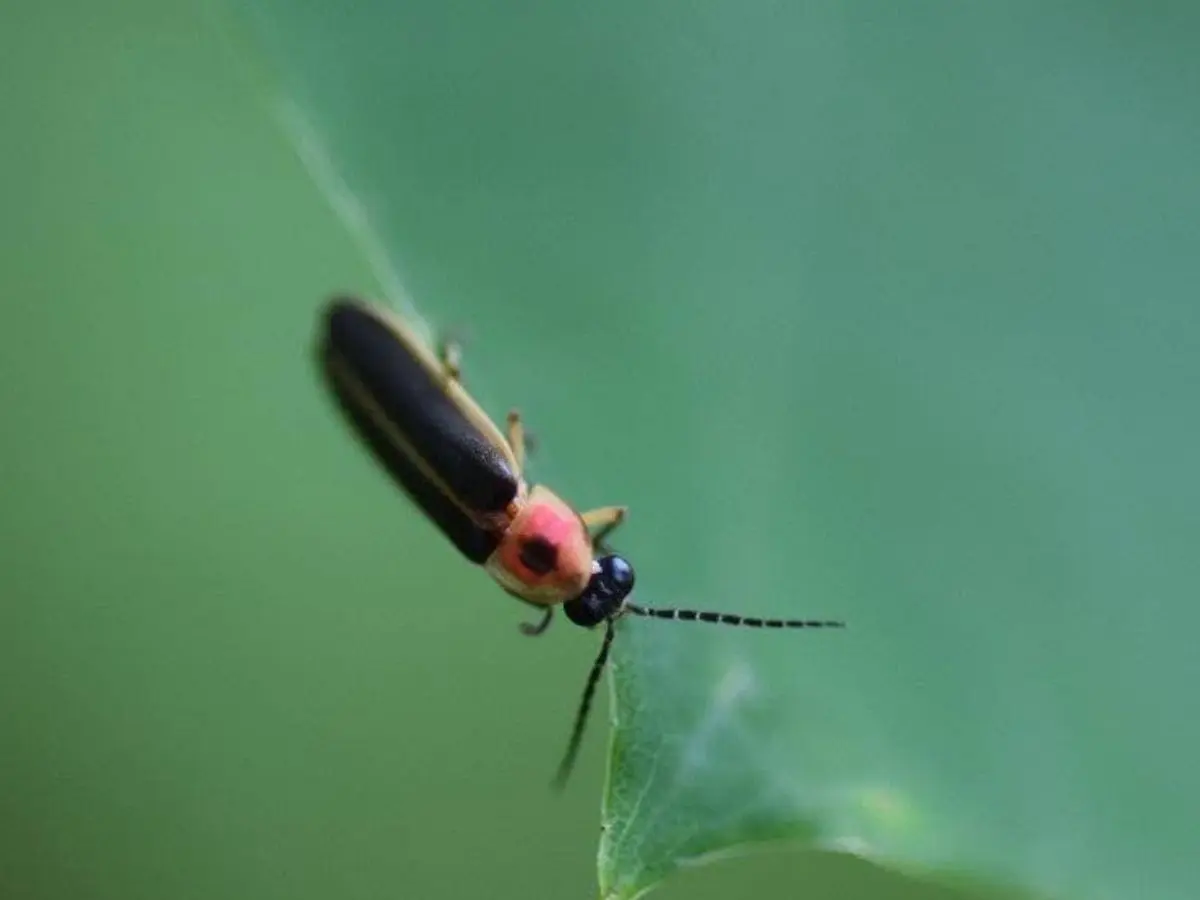
They will then spend only a few weeks to months as flying adults before their life cycle ends. And fireflies spend their larval stage in, you guessed it, leaf litter!
Leaf litter provides a moist, ideal environment for them and the things they like to eat. It also protects them during the cold winter months. For up to two years leaf litter is where they live, eat, and hibernate. Their carnivorous diet of snails, worms, and other soft-bodied invertebrates can be found among the leaf litter as well.
If you don’t like the look of leaves in your yard, you can still protect the fireflies by moving the leaf litter off sections of lawn. Place leaves in your garden beds, around trees, or into a designated section of your yard. This way, the insects and pollinators over wintering will be protected and, as an added benefit, your gardens will have natural mulch and fertilizer. Try to move the leaves whole and not shred them to prevent damaging the larva. You can also place sticks on top of the leaves to prevent them from blowing back into your yard.
Fireflies are not the only ones dependent on leaf litter. Reptiles, amphibians, birds, mammals and other insects rely on this important environment too. Other common creatures in Pennsylvania, that will thank you for leaving leaf litter include, but not limited to:
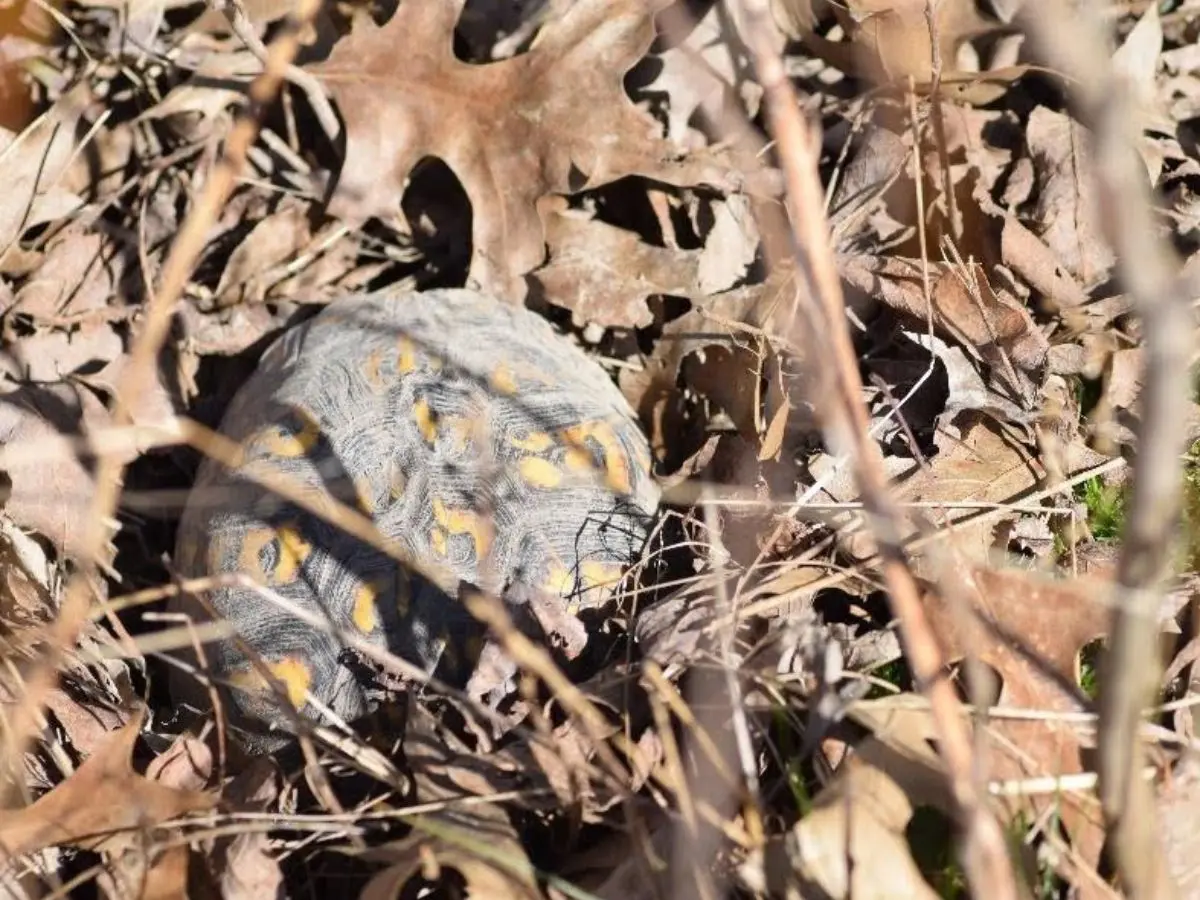
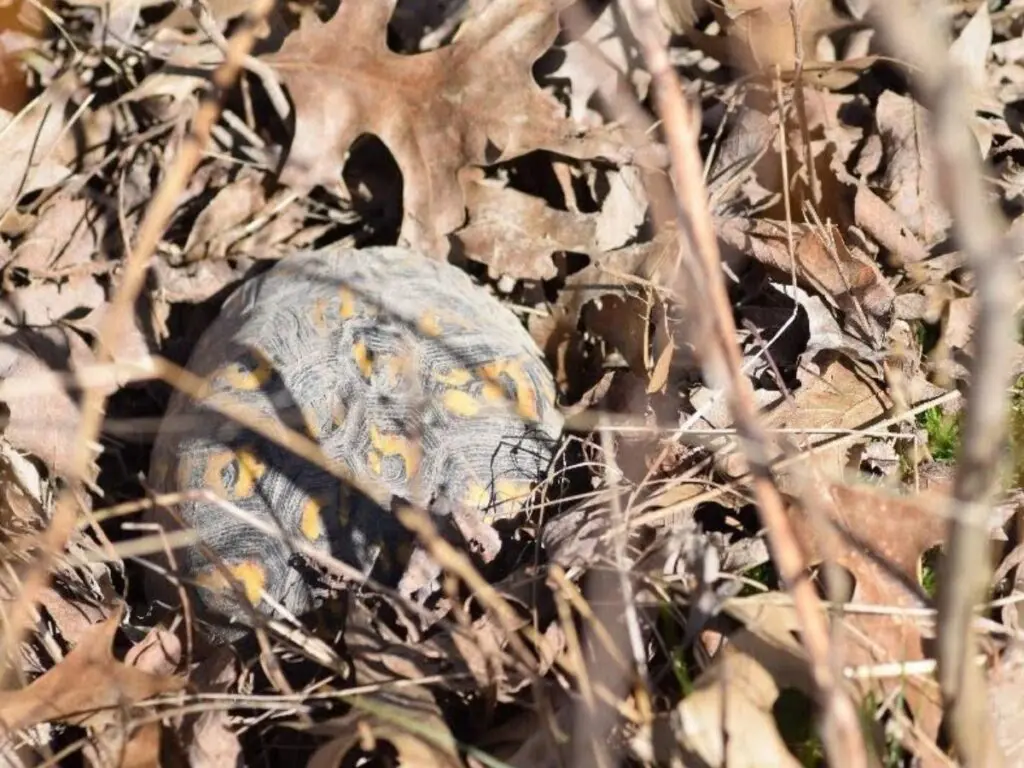
- Eastern Box Turtles: every winter, turtles enter a period of hibernation (called brumation) when they become dormant for four to five months. Commonly, they dig a few inches into the soil, and so the added leaf litter on top helps with insulation. Even when brumation is over, leaves still offer benefits to box turtles. Specifically, the leaves resemble the turtle’s shell, offering camouflage and protection from predators.
- Morning Cloak Butterflies: Lots of butterflies depend on leaf litter during their cycle, including one species, the Morning Cloak. They are one of the few butterflies that overwinter in leaf litter to protect from frost. This is why they are one of the first butterflies to be seen in the spring and one of the last to be seen in the fall.
- Bats: Believe it or not, leaf litter supports bats as well. Some bats, like the Eastern Red Bat, hibernate in the ground and benefit from the warmth and moisture provided by leaves in the winter.
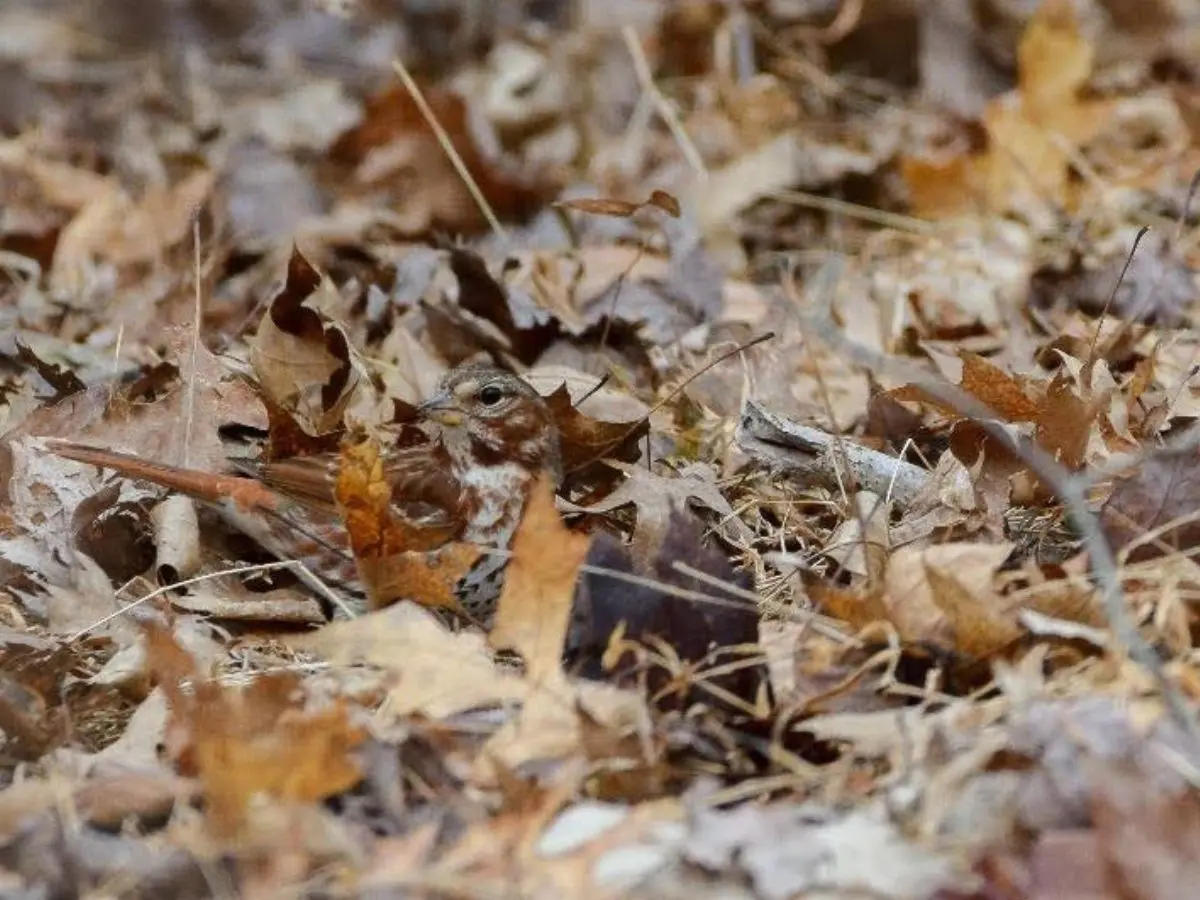
- Birds: Ovenbirds build their nest right on the ground using leaf litter. The deeper the leaves, the better to protect and hide their nests from predators. A lot of birds who ground forage depend on leaf litter for their food, including American Robins, Towhees, Sparrows, Ovenbirds, and other insect loving birds. This is an important food resource in the spring for birds and their young, especially before other food resources are ripe.
With one less chore to do this Spring, the fireflies will be thanking you with your own backyard light show!
By Devon Funt, Conservation Easement Steward