
Native Plants
Heritage Conservancy prioritizes the propagation and planting of native plants on its lands and beyond.
How Native Species Impact Bucks County
Local plant species are vital to sustainability, as they have evolved alongside native wildlife for hundreds of thousands of years, and are uniquely qualified to lure and sustain it.
Native species provide food for local wildlife, from berries and seeds for birds and small mammals to nectar and pollen for bees and butterflies. A native oak tree can support hundreds of species of caterpillars, which become food for local birds during critical breeding seasons. Non-native plants often offer little to no nutrition for local wildlife populations.
Native plants help improve soil health and prevent erosion with their deep root systems. They require less water once established – making them durable and more tolerant of variable rainfall. Native plants are also naturally more resistant to local diseases and pests and demand minimal care.
Our work to grow and plant native plants is an investment in the health of our local ecosystems and watershed, and a meaningful step toward environmental sustainability.
Invasive Plant Management
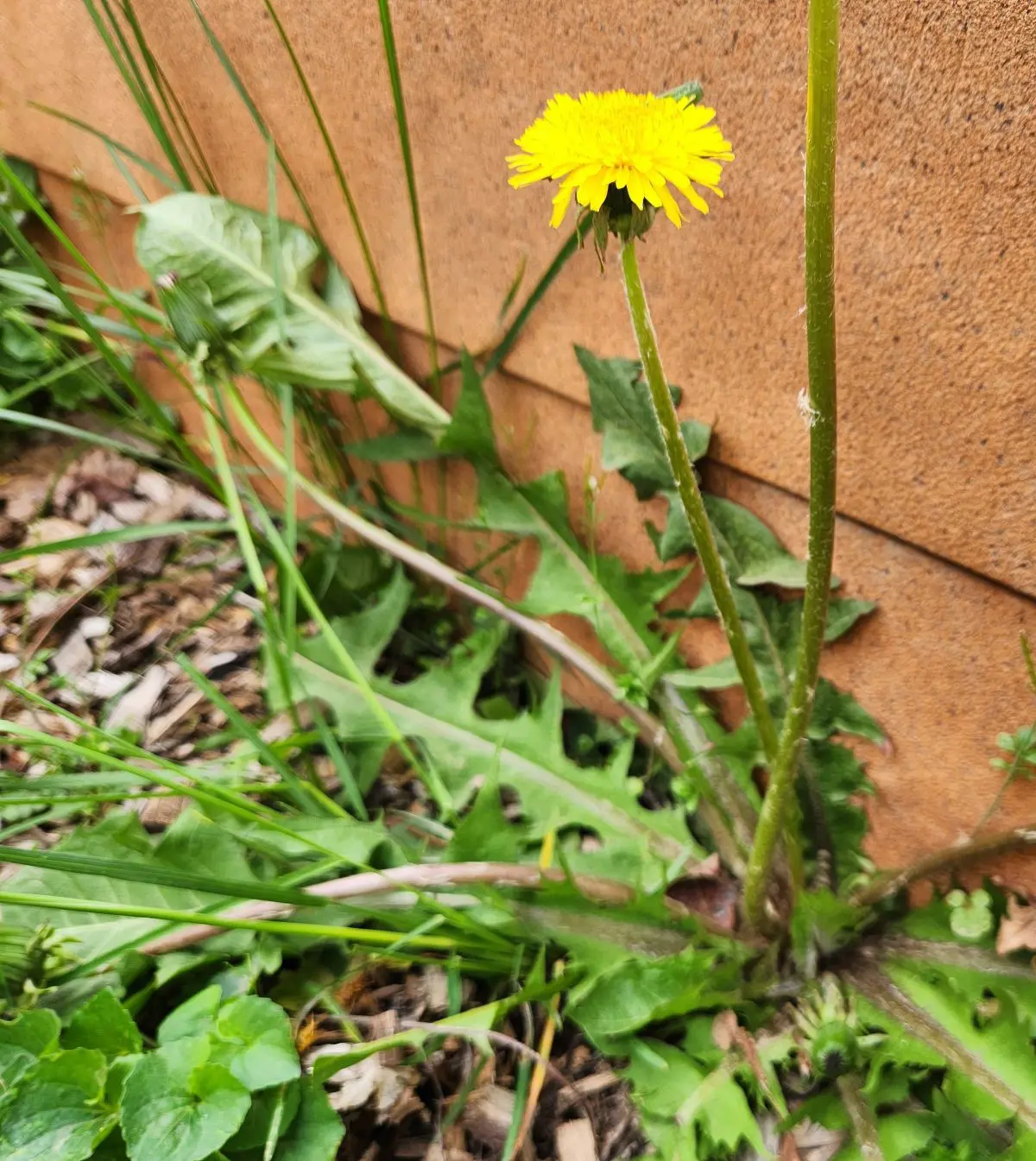
We work to manage and remove invasive species that are prone to crowd out more sustainable and healthy native species, threatening healthy biodiversity.
To manage invasive plant populations on the 1,500 acres Heritage Conservancy owns and manages, we use a triage, noting where non-native species are the biggest threat to habitat. We plan around areas with the highest density of native plants that are most valuable to pollinators and wildlife and most critical to the local balance of nature.
Pulling invasives helps make room for the natives that are there to grow or support other wildlife species. We often replace pulled plants with natives or clear them for the planting of trees and shrubs.
We use a combination of methods to manage invasive species: by hand, torching, cutting, and with the use of herbicides. It is important to note that not all aggressively spreading plant species are invasives, though many invasive species spread rapidly.
We rely on help from our summer conservation interns, local Boy Scout troops, work groups, and our Fridays in the Forest volunteers.

Our Native Plant Nursery
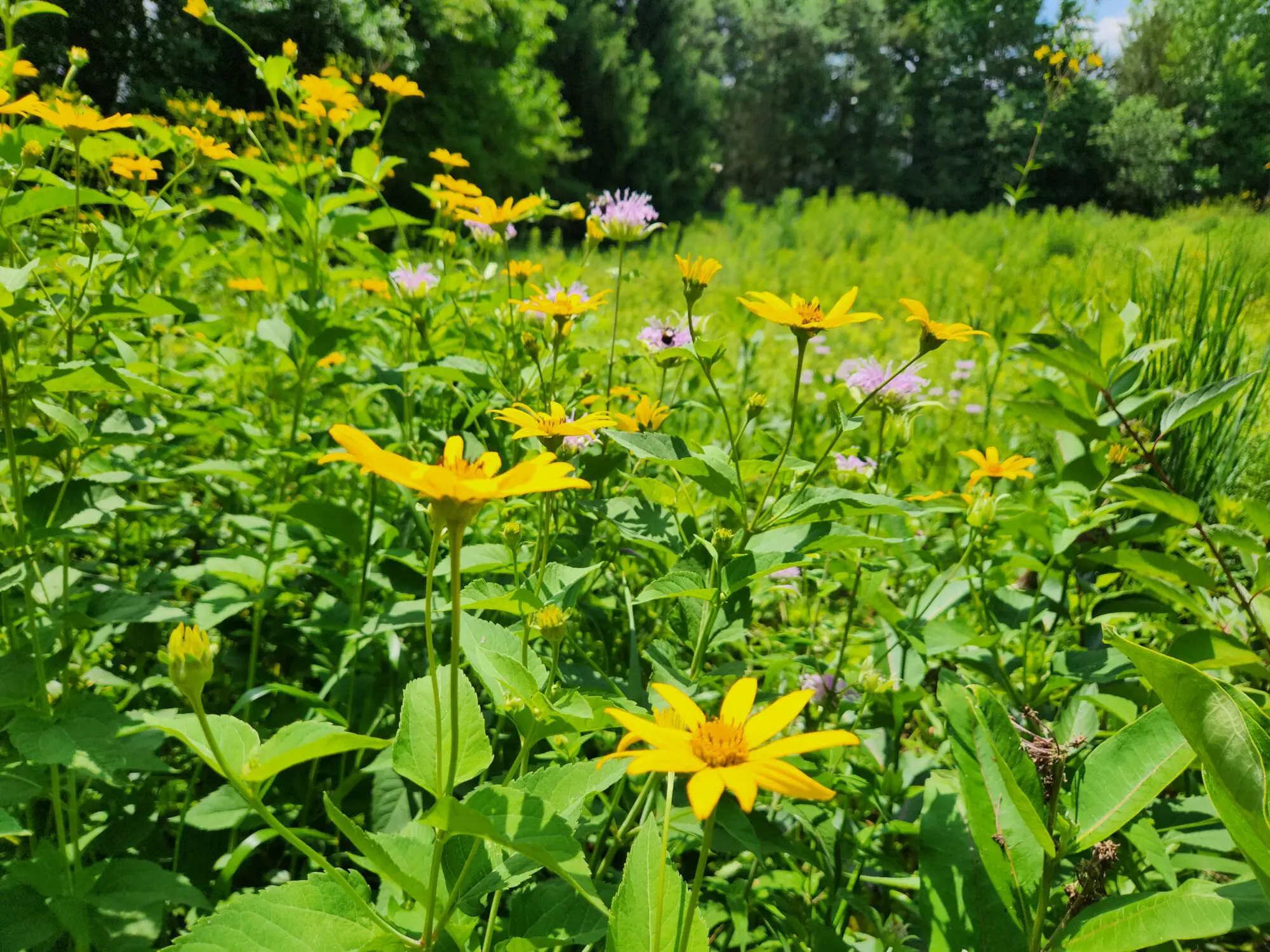
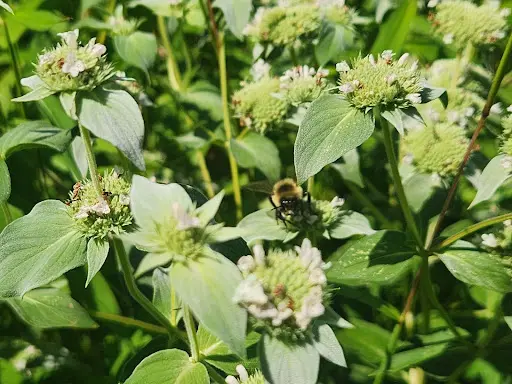
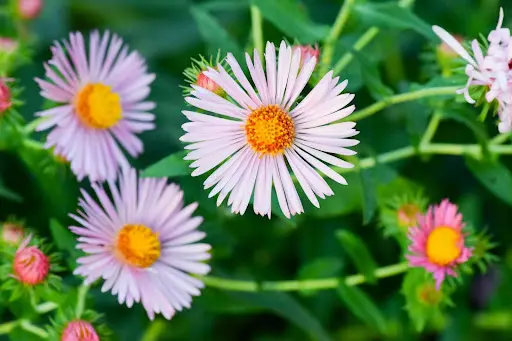
Heritage Conservancy’s Russell-Mandel Preserve is home to our native plant garden and nursery, where we cultivate over 50 different species.
Staff and volunteers collect seed from plant species on Heritage Conservancy properties that we want to propagate. These species include common varieties of native perennials, shrubs, and trees, along with rarer native species that we cultivate to reintroduce onto our nature preserves. These plants are used to reforest our preserves, create riparian buffers, and add diversity to our established meadows and other habitats.
We consult with property owners and hold periodic native plant sales as part of our ongoing efforts to educate the public about the importance of native plants and to help make beautiful, sustainable natives more easily available to our border community.
Conservation Story: Restoring Pennsylvania’s Threatened Magnolia Species
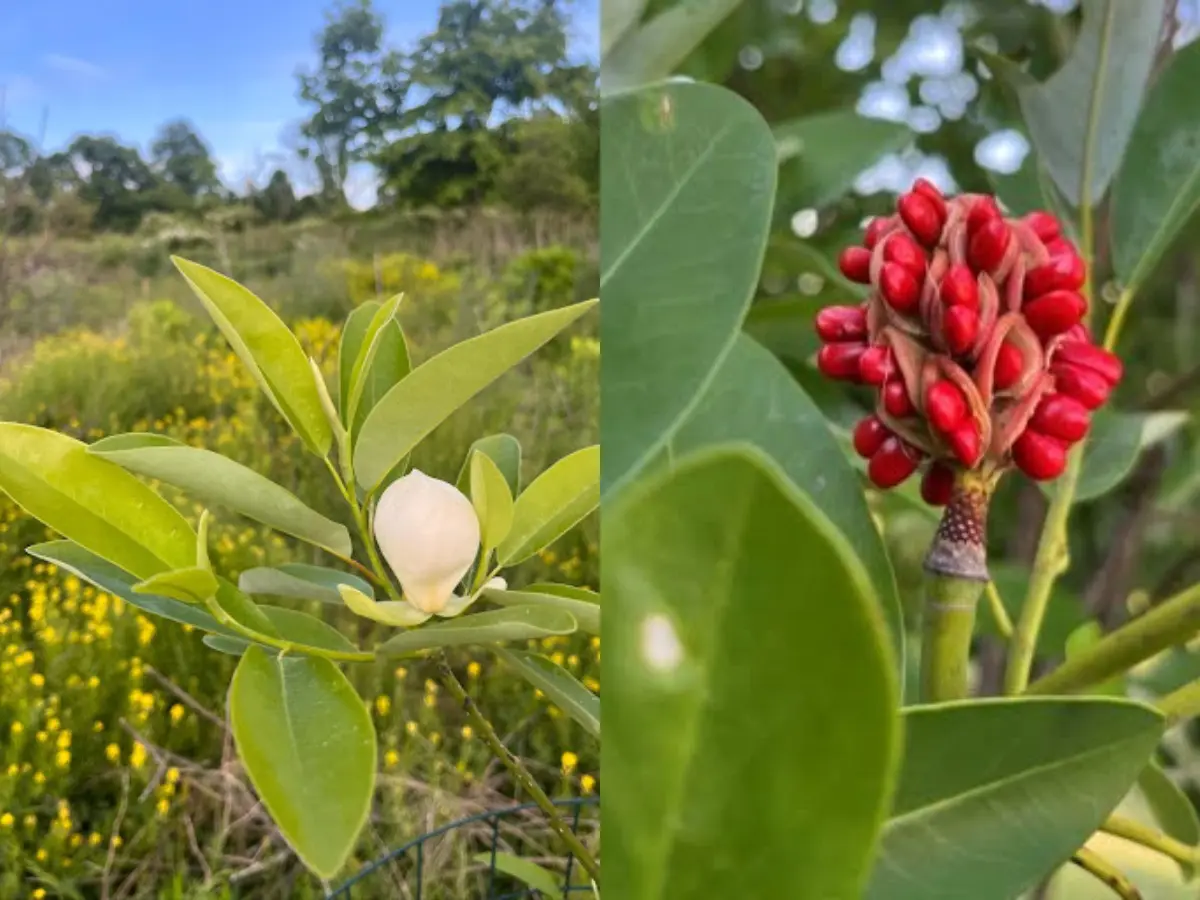
Heritage Conservancy’s Senior Conservation Biologist, Tyler Kovacs, collected the seeds from endangered magnolia species at our Croydon Woods Nature Preserve and grew those seeds in a new native plant nursery. Recently, these magnolia seedlings were large enough to be planted back at Croydon Woods.