
Tag: land management
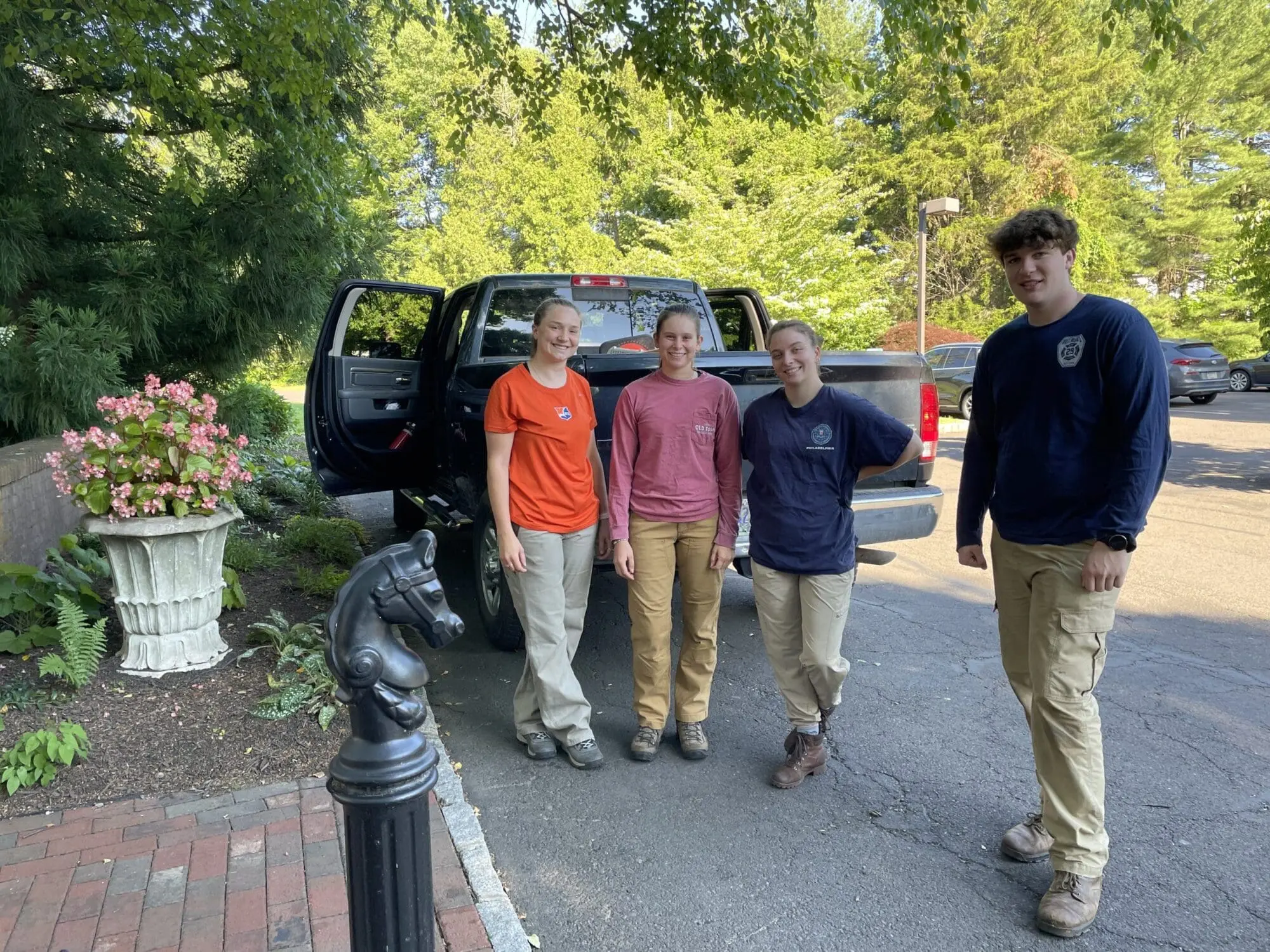
A Productive and Enlightening Summer for Heritage Conservancy Interns
The Heritage Conservancy conservation stewardship interns from this summer. Each summer, Heritage Conservancy hosts four conservation stewardship interns who assist our stewardship staff in managing the nature preserves we own,…
Read More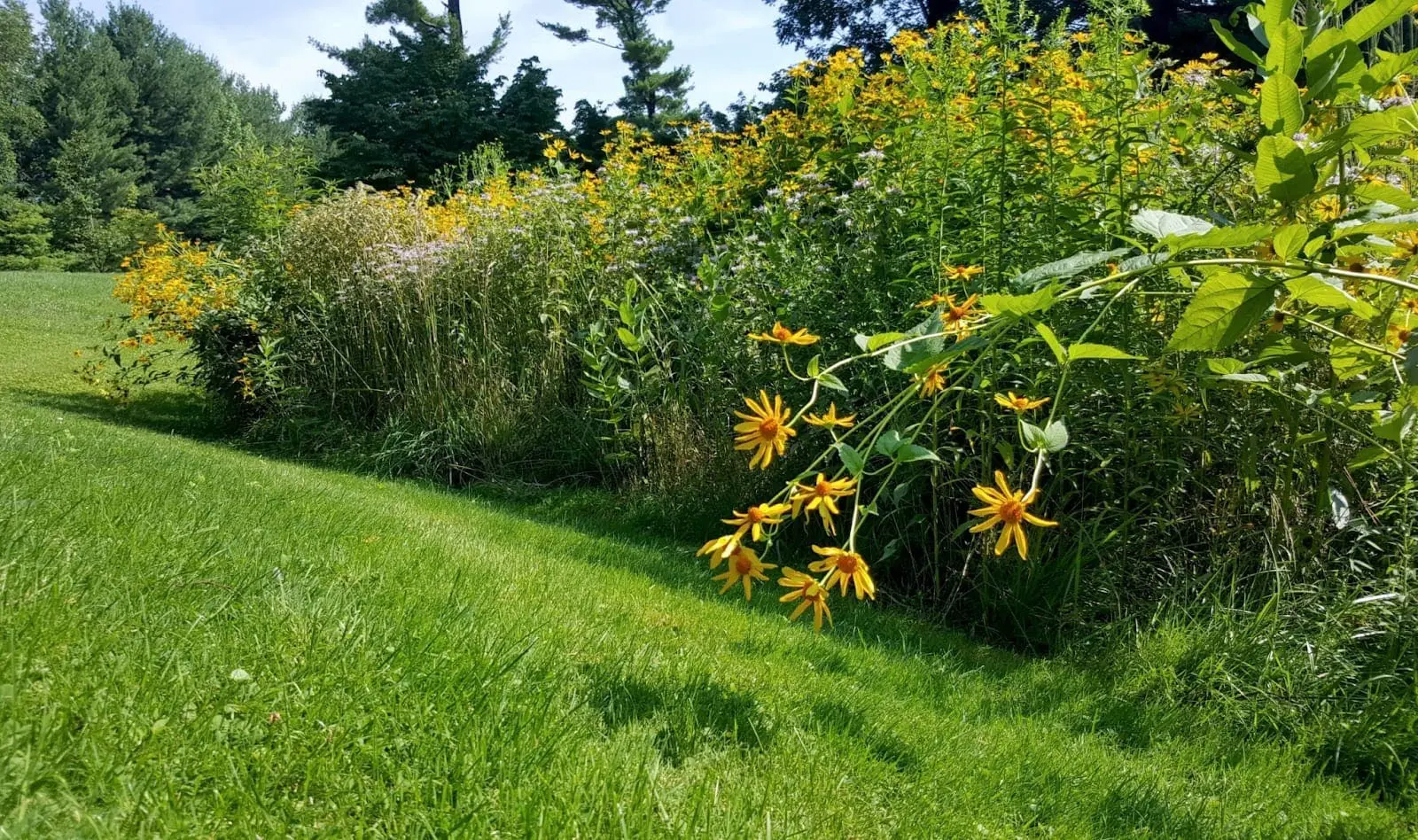
Thinking Through a Lawn-to-Habitat Conversion Project
Right now, if you look out the nearest window, I bet you can see a lawn. Or at the very least, you can walk a short distance to find one….
Read More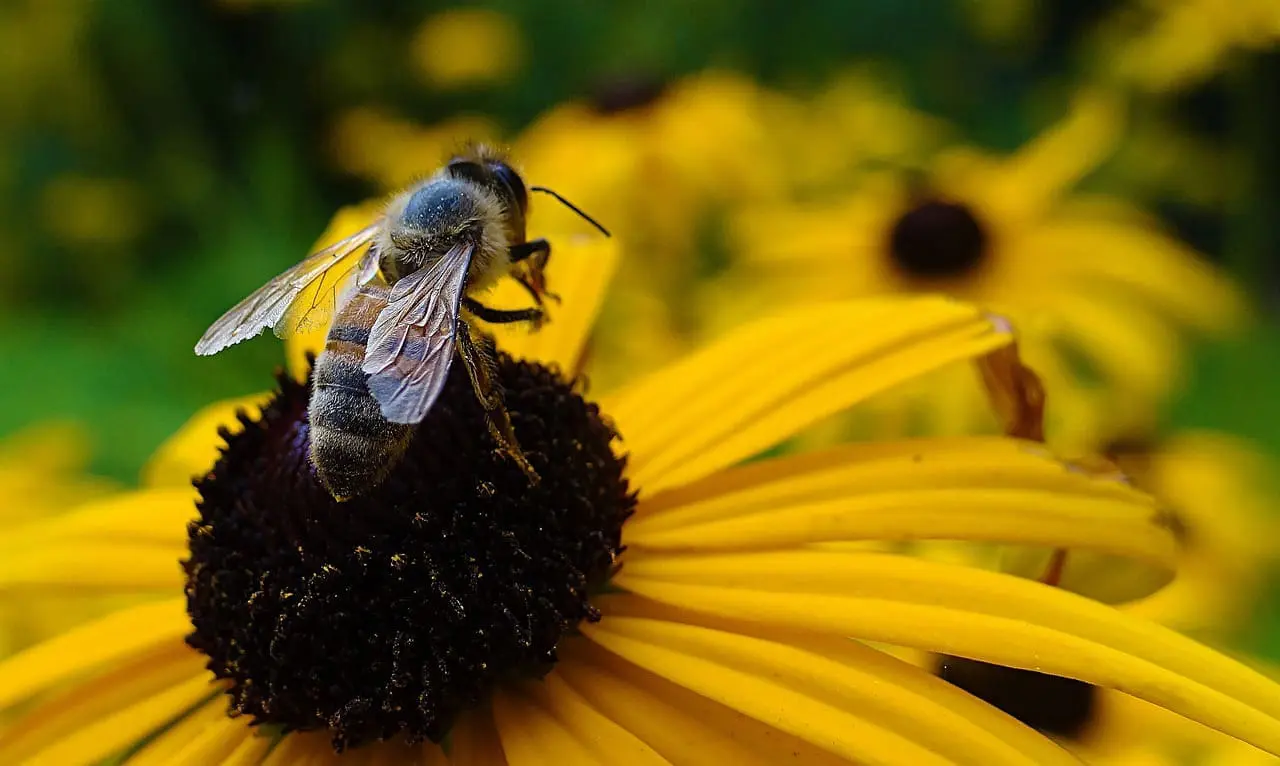
A Beginner’s Guide to Native Plants
As spring fades into summer, many of us are busy in our gardens. While you are tending yours, why not consider using native plants? Most are resilient and easy to…
Read More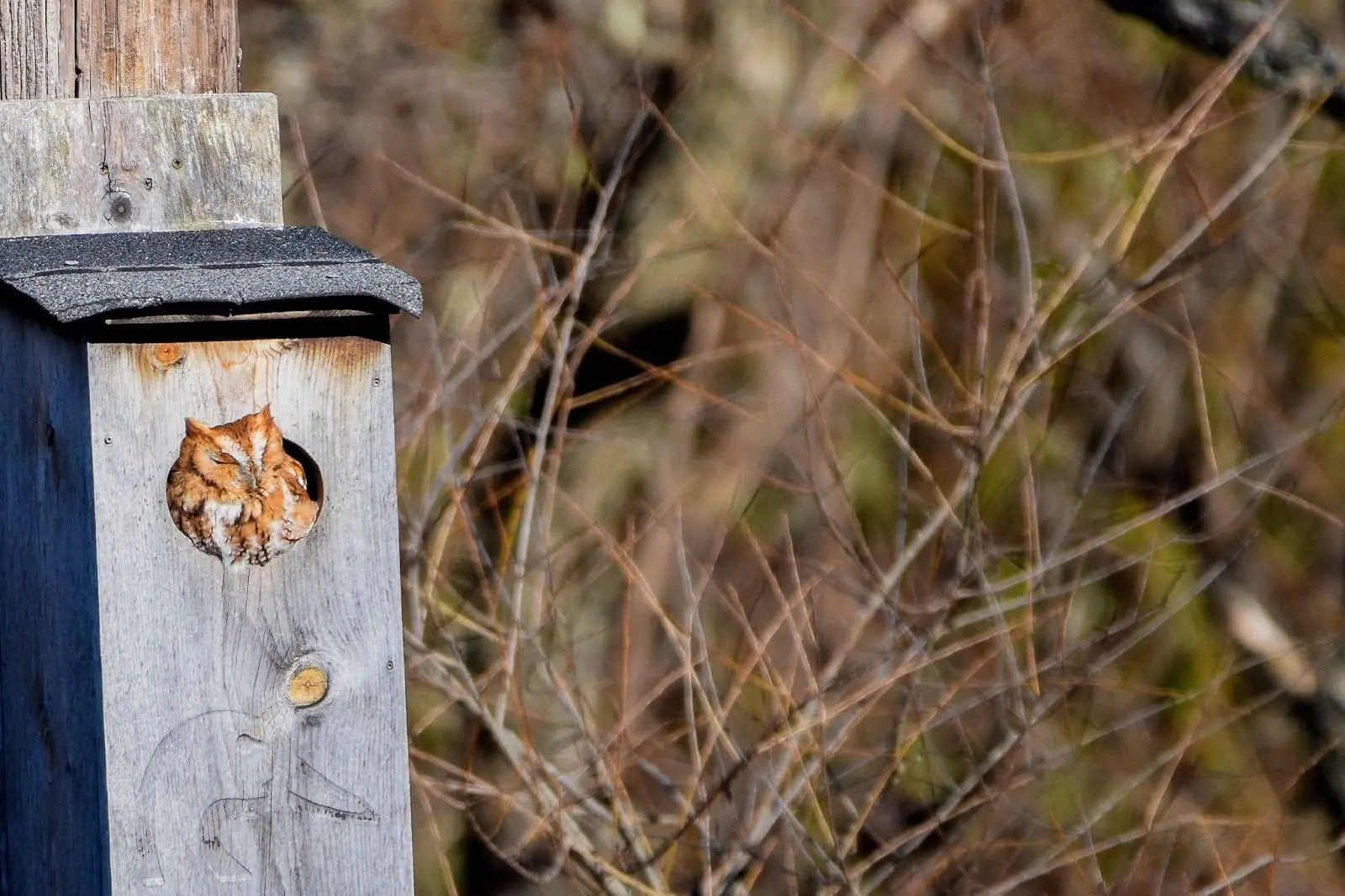
The Importance of Nest Boxes for Birds
We have lost almost 3 billion birds since 1970 in North America alone. There are many causes, however, habitat loss and degradation are some of the main reasons. The development…
Read More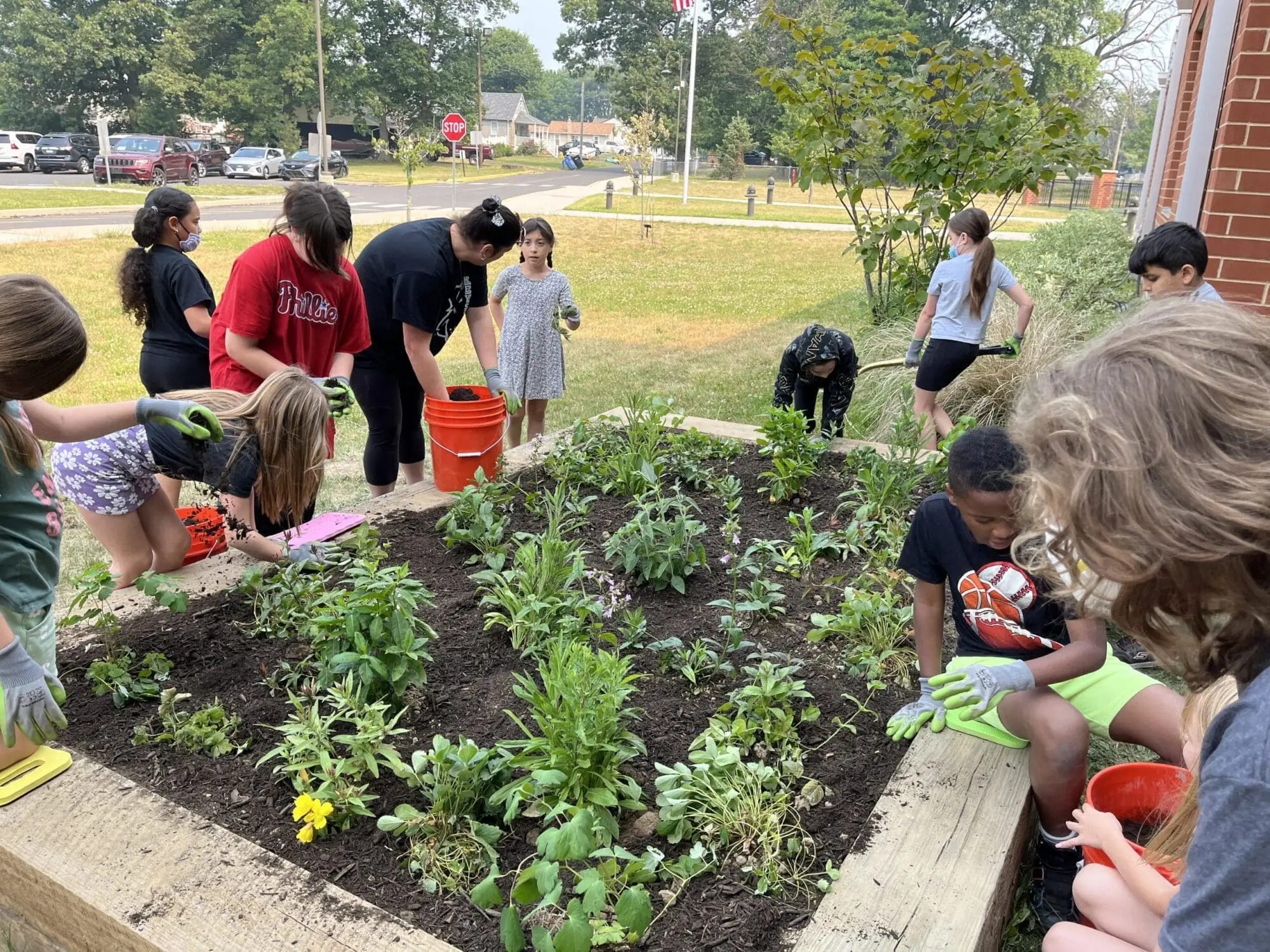
7 Ideas to Help Raise Eco-Conscious Kids
The environmental challenges that we face across the globe are daunting and overwhelming for us as adults to navigate, I can only imagine how helpless kids may feel about some…
Read More
Meet our CEO: Bill Kunze, an Environmental Leader in Pennsylvania
“We are nurturing the past, present, and future of our community,” says William (Bill) Kunze, CEO at Heritage Conservancy. “When we imagine what kind of world we want to live…
Read More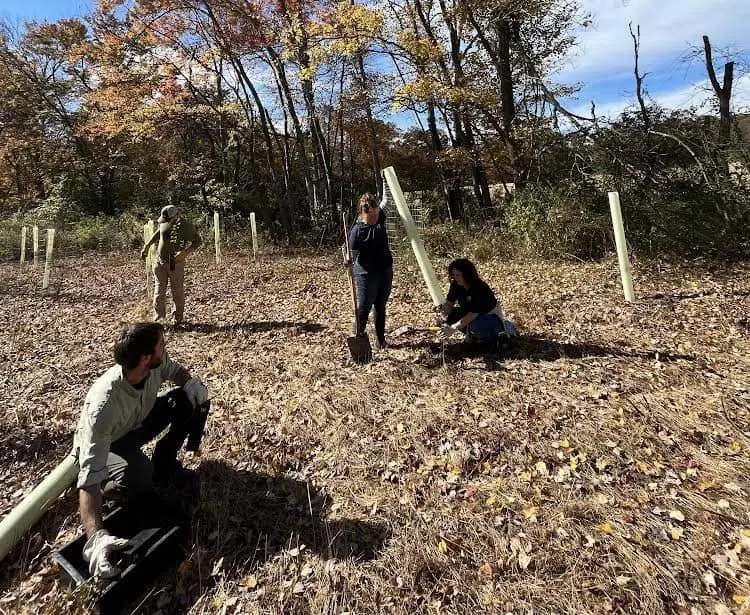
To Plant or to Protect? A Cost-Effective Alternative to Planting Trees
They say the best time to plant a tree was 20 years ago, and the next best time is today. There are many good reasons to plant a tree. At…
Read More
Cheers to 35 Years: Chris Chandor’s Impact on Heritage Conservancy’s Work and Mission
From procedural improvements for the Board to his critical assistance in the saving of Aldie Mansion, Chris Chandor has contributed much to Heritage Conservancy in the last three and a…
Read More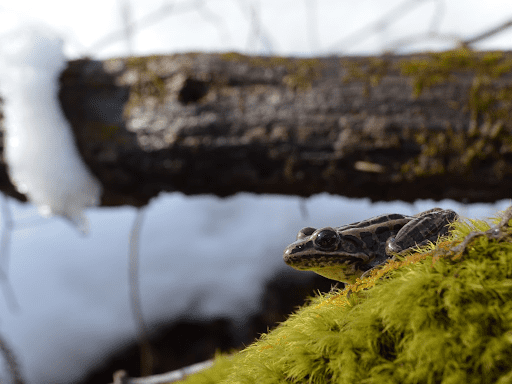
In Praise of Snow and its Vital Role in Wildlife Habitat
Snow protects plant roots, insulates soil, and supports wildlife survival. Explore the ecological importance of winter snow in Pennsylvania forests.
Read More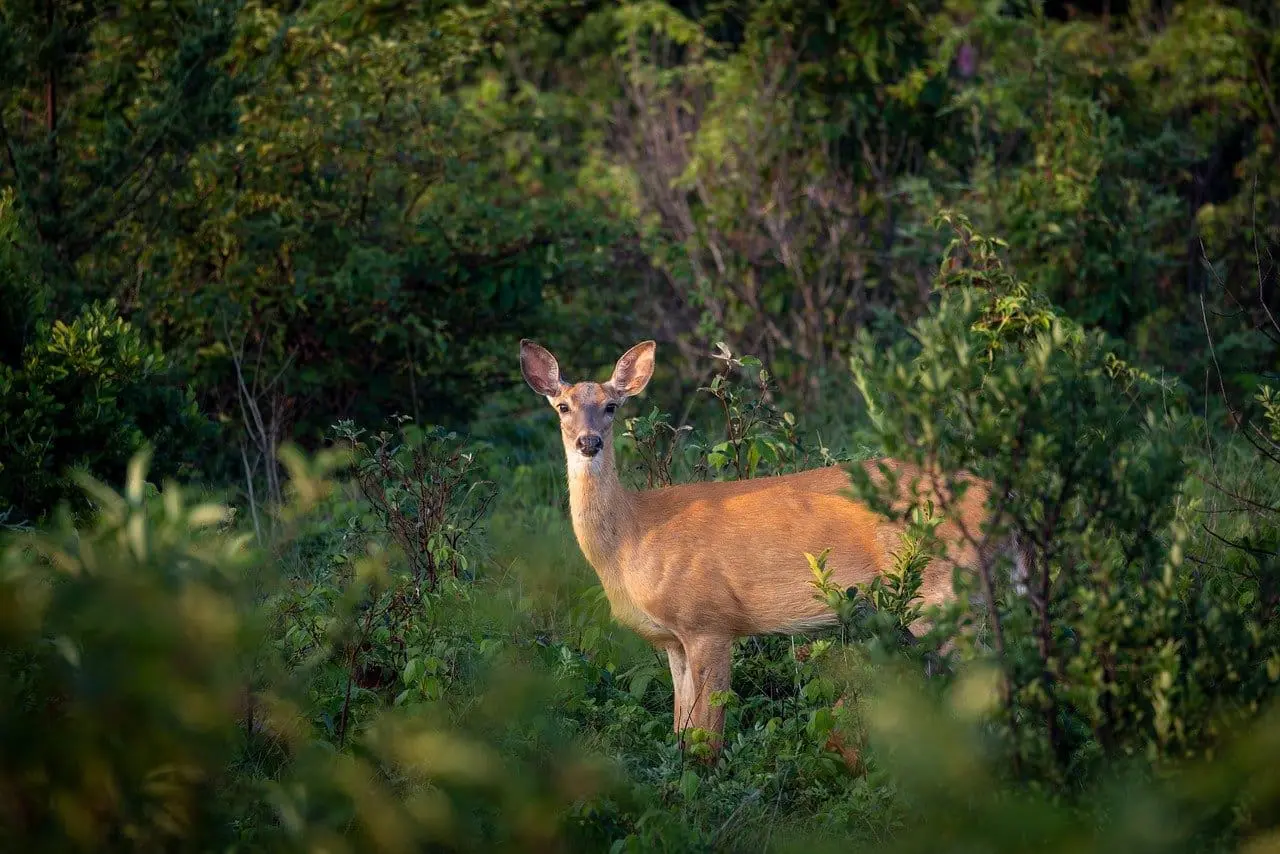
Deer Damage to the Forest: How White-Tail Deer Endanger our Woodlands
White-tailed deer browsing can reshape forest regeneration. Learn how deer impact biodiversity and woodland health in Pennsylvania.
Read More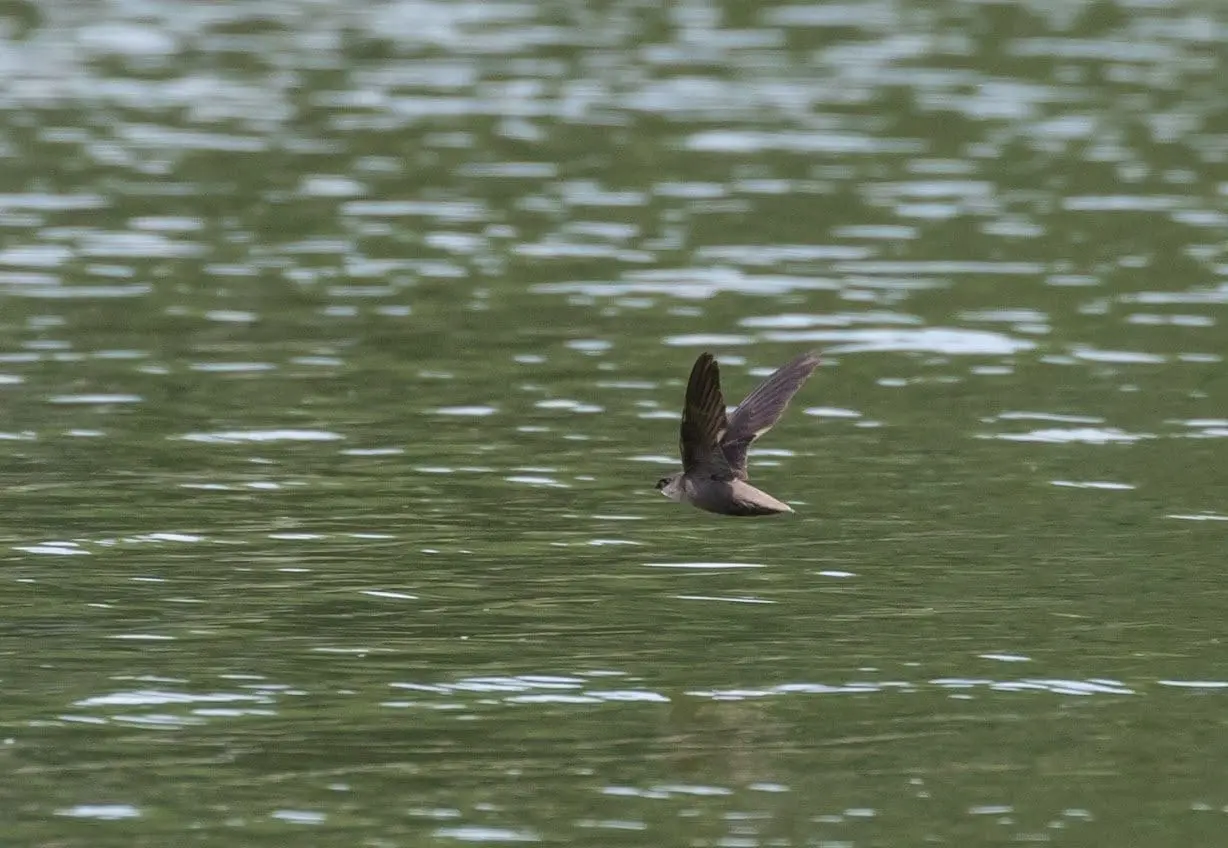
Chimney Swifts: A Species in Decline
A chimney swift darts over a pond in Prospect Park in NYC. Photo by Ryan Mandelbaum. Introduction The US Committee of the North American Bird Conservation Initiative (NABCI) published its…
Read More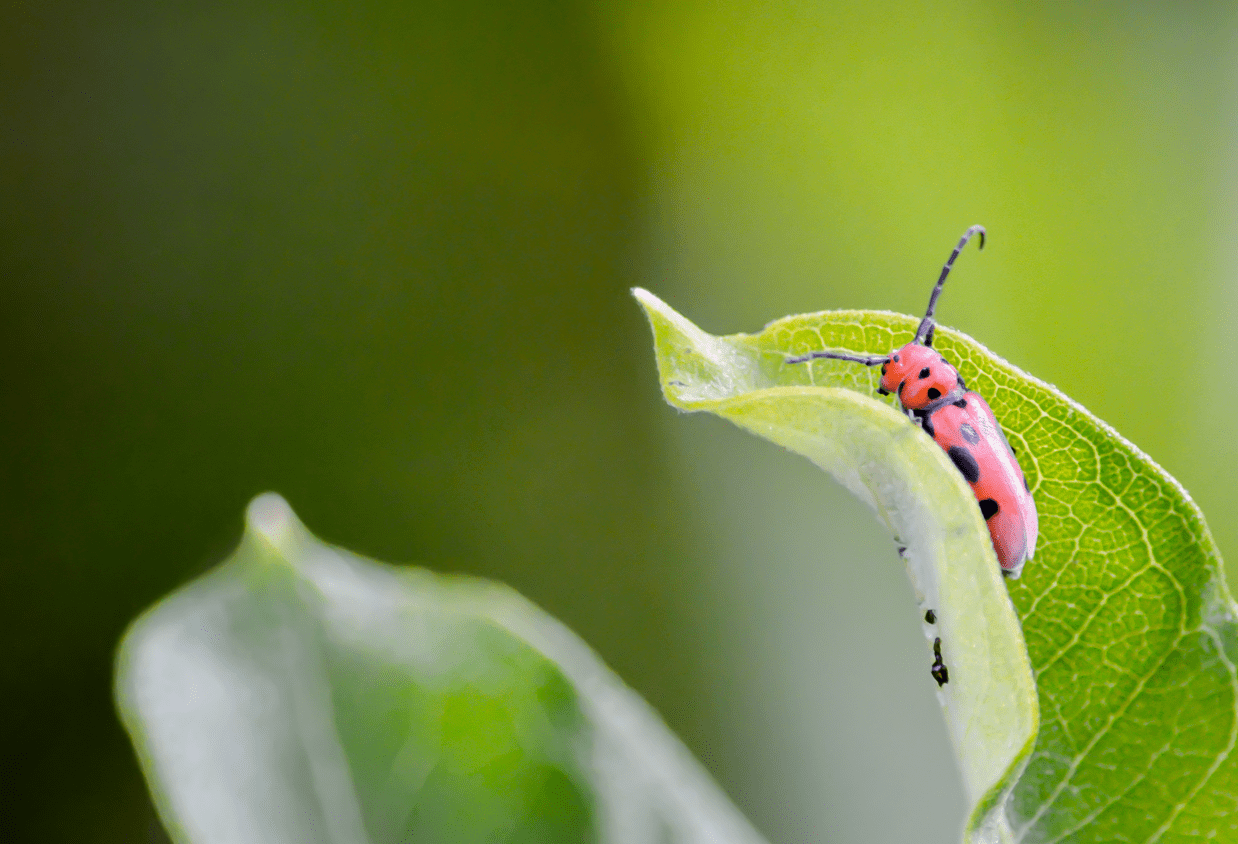
The Other Pollinators
A red milkweed beetle. Most of our pollinators get overlooked for one reason or another. Some are too tiny, simply living out of sight and out of mind, whereas others…
Read More
Historic Aldie Mansion
85 Old Dublin Pike
Doylestown, PA 18901