

Milkweed: The Benefits Beyond Monarchs
The connection between milkweeds, of the genus Asclepias, and the iconic monarch butterfly (Danaus plexippus) is becoming more widely appreciated. But for those unfamiliar: monarch caterpillars are picky eaters (as many insects are) and only consume milkweed during their larval stages. Milkweeds are poisonous to most animals, but monarch caterpillars are equipped with a tolerance, and will even incorporate the toxins into their own physiology, making them less palatable to potential predators.
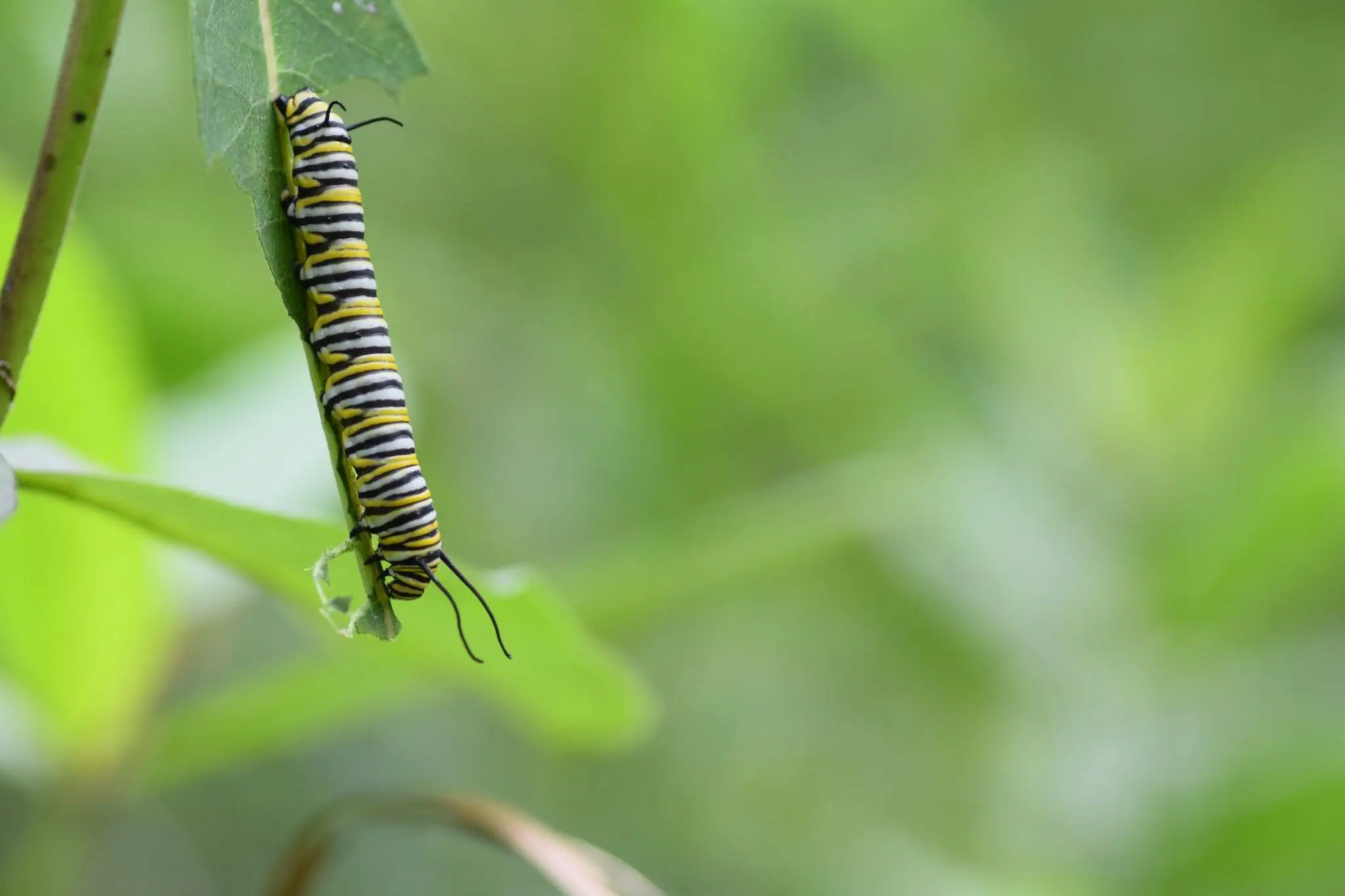 Monarch caterpillar, feeding on a milkweed leaf.
As we continue to develop wild spaces, we lose both the milkweeds and the monarchs who rely upon them. Consequently, there’s been a widespread campaign by conservationists across the country aimed at encouraging people to add milkweeds to their gardens, promoting it as an easy way to help support this iconic but declining butterfly species.
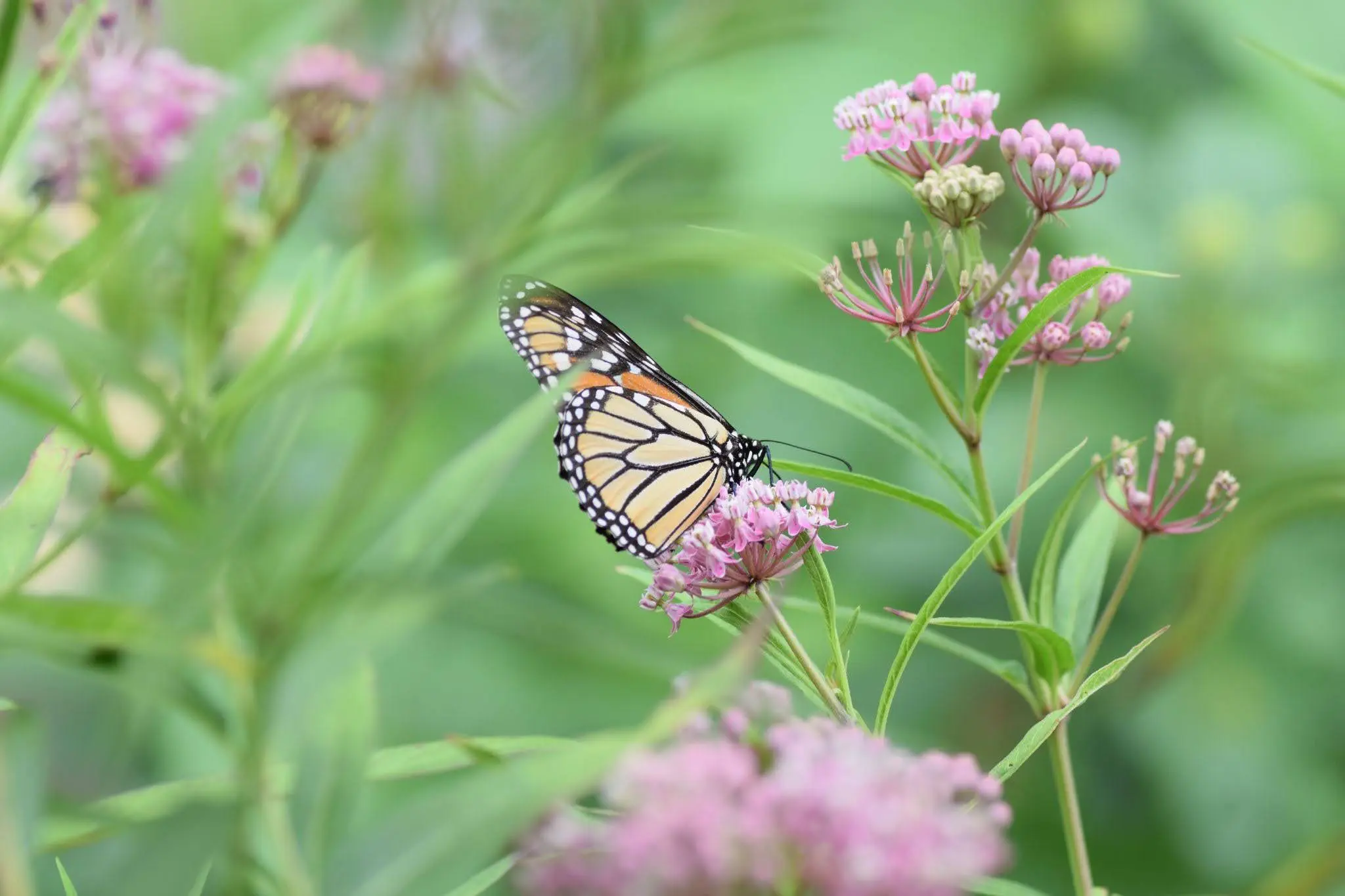 Monarch butterfly, visiting swamp milkweed flowers for nectar.
Luckily, milkweeds provide more than just leaves for monarchs to chew on. Their benefits are both numerous and largely overlooked. Hence, in this article I’d like to highlight some of the additional benefits that Asclepias species provide, and end with a list of milkweeds you could add to your yard to see those benefits firsthand. We’ll start by turning our attention away from their leaves to focus briefly on their flowers.
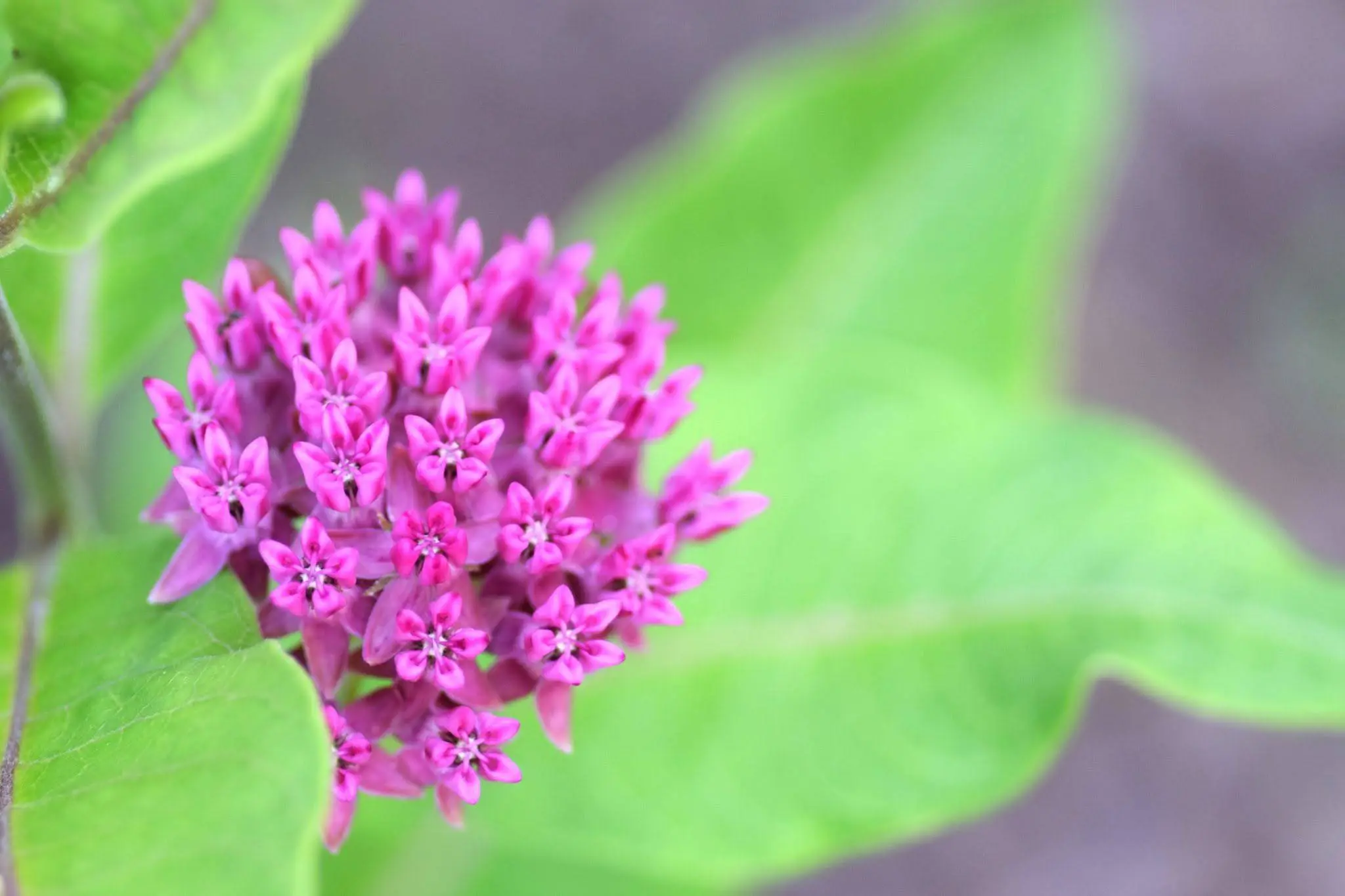 Purple milkweed flowers
Each milkweed species makes a unique flower, which can be handy for helping distinguish between similar species. Some adorn pink flowers, others white, and at least one has a spectacular show of orange. No matter the color, milkweed flowers offer a critical resource in the form of nectar to the little insects that make our world work. Nectar, as many know, is a sugar rich liquid that helps sustain the busy lives of bees, butterflies, beetles, and plenty more. In turn, milkweed flowers provide doses of energy to a wide variety of insects, and often at times of the year when other herbaceous perennials cannot.
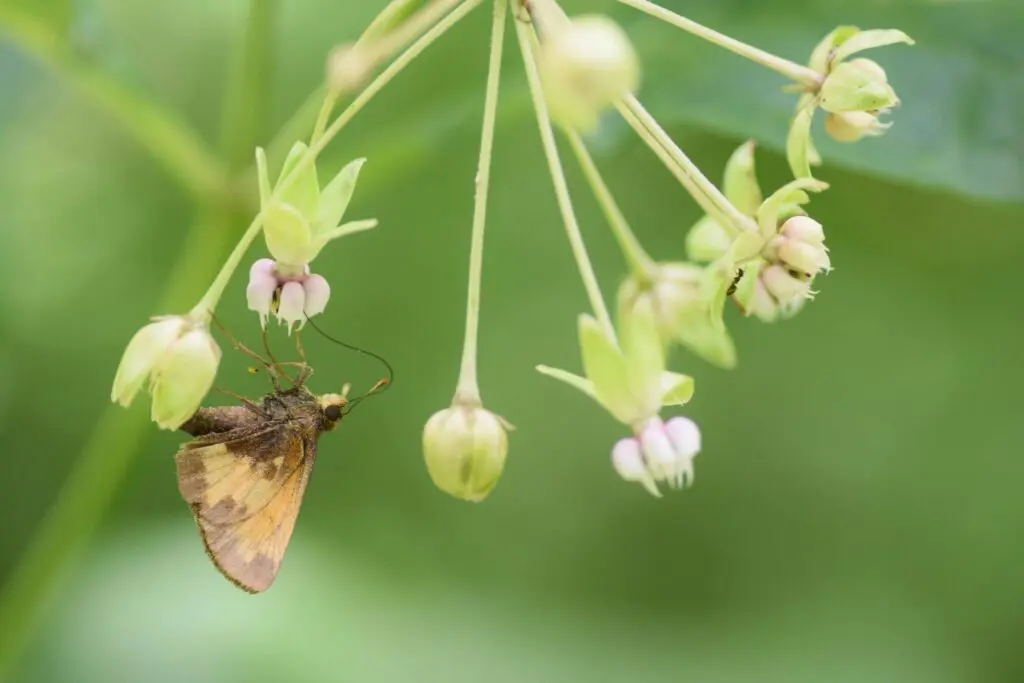
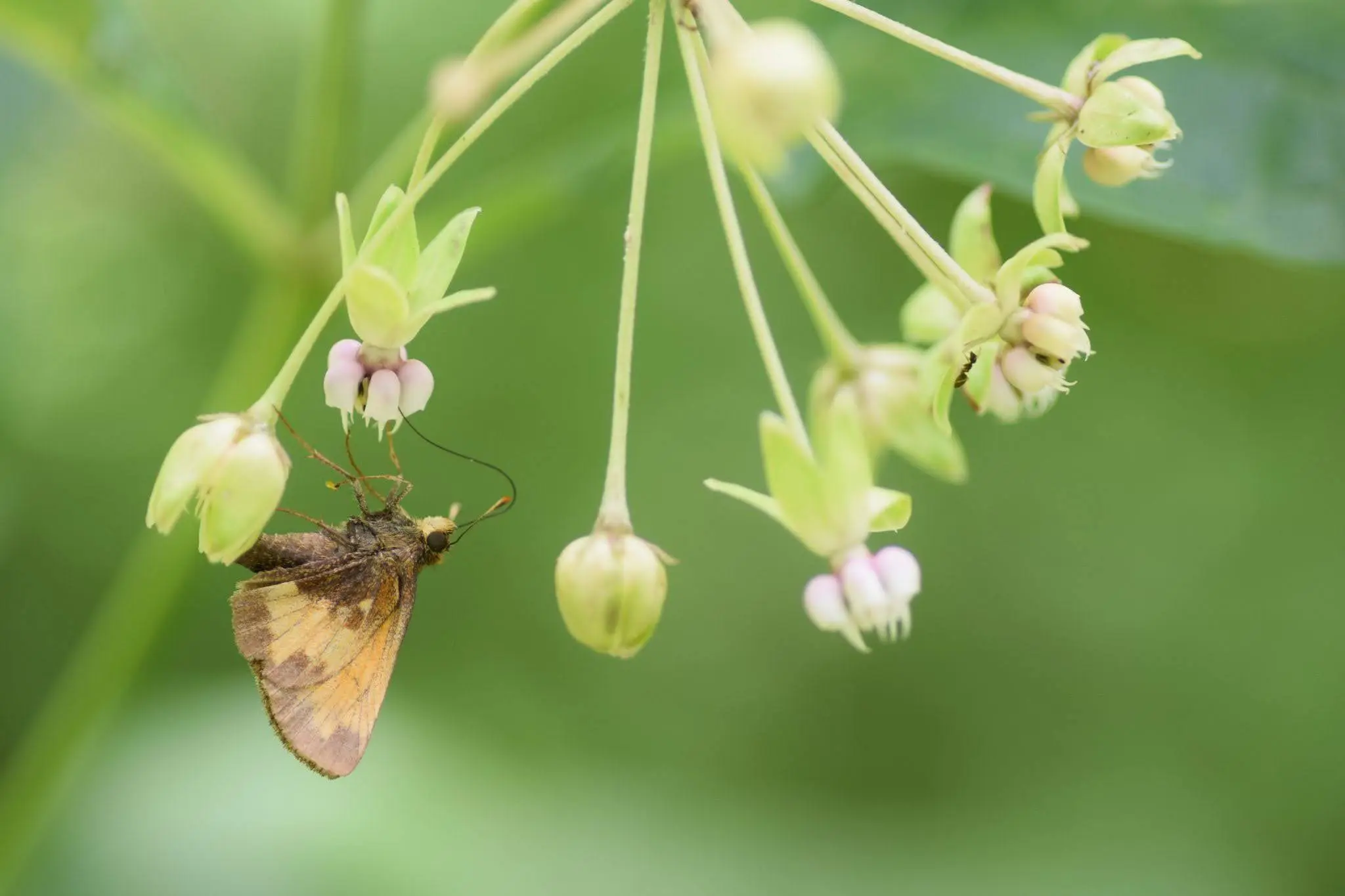 Hobomok skipper visiting a poke milkweed for nectar.
Another power that milkweeds possess is their ability to grow in areas that are overrun with invasive species. Most native plants have a hard time competing with invasive plants, but at least one milkweed species, Asclepias syriaca, has proven to be a formidable competitor. Asclepias syriaca, also known as common milkweed, grows fairly tall and aggressively. Consequently, you’ll often find it poking up out of patches of invasive species. If left to its own devices, common milkweed can quickly colonize large areas and help lessen the establishment of undesirable plants. They tend to seed prolifically and can spread their weed fighting abilities far and wide.
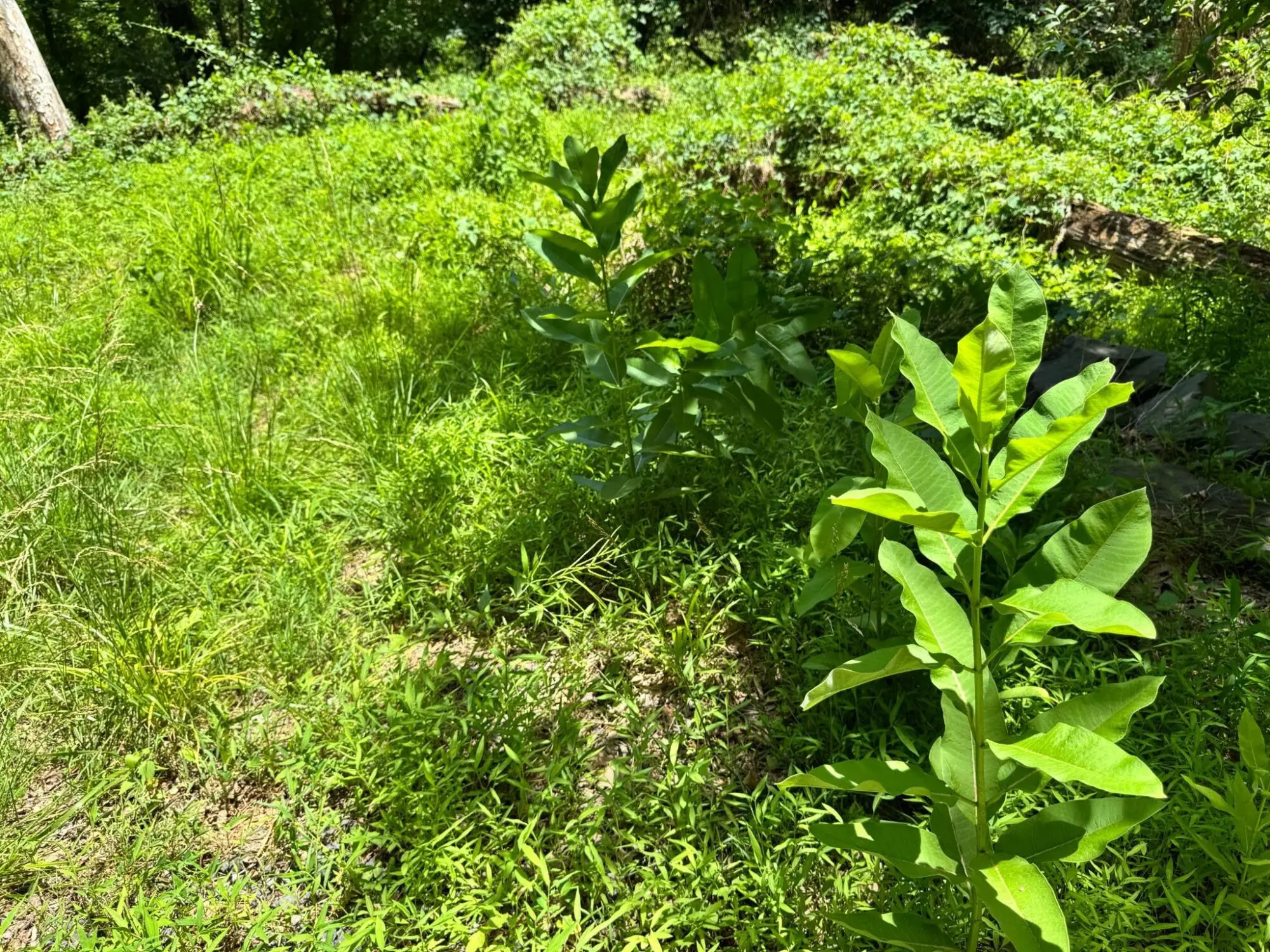 A handful of common milkweeds, popping up through Japanese stiltgrass and other invasive species.
On the note of milkweed seeds, they happen to be dispersed by the wind. Their seed pods open in late summer through the fall, and released from them are dozens of seeds, each attached to fluffy tufts called floss. While the seed itself is useful for all of the reasons described above, the floss is also beneficial, particularly to birds. Several species of birds, including goldfinches, catbirds, and even hummingbirds gather milkweed floss to line their nests. That material aids in keeping their nests warm and dry, which can be a bit of a challenge for birds. Small mammals will also use the floss for nesting, and invertebrates will overwinter within the insulating milkweed fluff as well. It’s amazing that this plant can be toxic to wildlife in one context but extremely comforting in another.
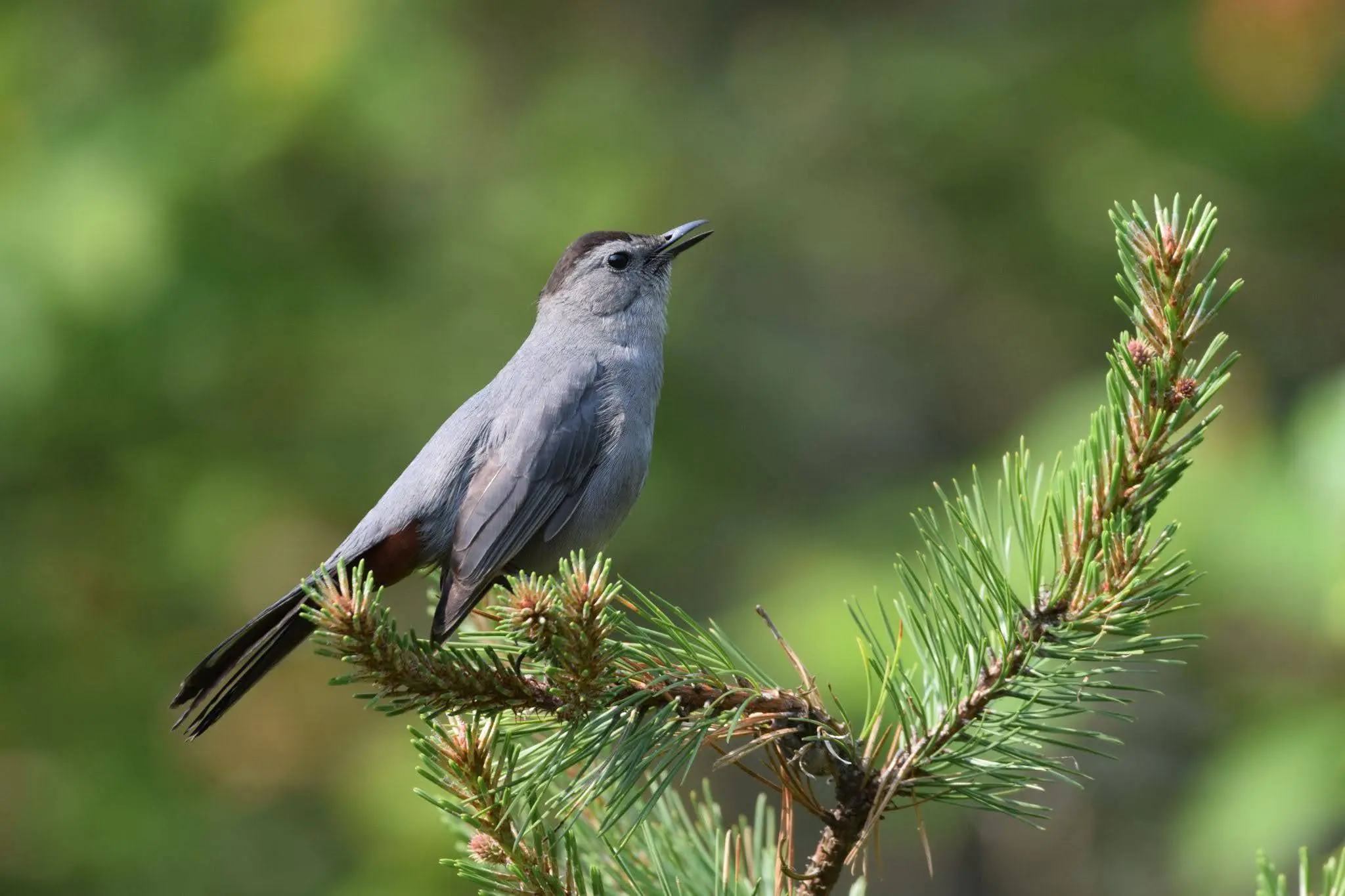 Catbirds are one of several bird species that utilize milkweed floss in their nests.
One last note I’ll make about milkweeds is that they provide excellent structural diversity to gardens, as well as the wild spaces that they inhabit. Some species, like whorled milkweed (Asclepias verticillata) or butterflyweed (Asclepias tuberosa) are short in stature, never exceeding more than a few feet in height. Whereas species like swamp milkweed (Asclepias incarnata), common milkweed (Asclepias syriaca), and poke milkweed (Asclepias exaltata) can easily reach heights of 5 ft if they’re happy. In a garden, adding layers tends to be aesthetically pleasing, but from an ecological perspective, diversity in structure augments the vertical space that wildlife have to utilize. For instance, many birds and even dragonflies like to perch atop tall stems to hunt, but other birds, mammals, and predatory insects feel safer hunting concealed amongst the stems. A towering swamp milkweed might address the needs of the former cohort of predators, but a patch of butterflyweed growing beneath it might help to satisfy the latter. Structural diversity also aids in other facets of wild living, such as nesting and thermoregulation. Structure is often touted as being important for forests, which it most certainly is, but it’s important for early successional habitats too. Milkweeds are one of many native plant groups that can provide such structure.
This article has highlighted just a subset of the benefits that milkweeds provide. They’re an excellent group of plants with benefits that span many taxa, not just monarchs. If you’d like to add some milkweed to your yard or get to know the ones growing in your wild spaces, here’s a list of species to look into:
Common Milkweed (Asclepias syriaca)
Swamp Milkweed (Asclepias incarnata)
Butterfly Weed (Asclepias tuberosa)
Poke Milkweed (Asclepias exaltata)
Whorled Milkweed (Asclepias verticillata)
Purple Milkweed (Asclepias purpurascens)
Four-leaved Milkweed (Asclepias quadrifolia)
Green Comet Milkweed (Asclepias viridiflora)
Until next time, thanks for reading, and don’t forget to #plantnative!
Sebastian Harris, Conservation Biologist