
Pollinator Meadows
Heritage Conservancy uses pollinator meadows as a vital part of its land management strategy, recognizing the importance of wildlife habitat for long-term sustainability efforts.
The Vital Role of Pollinator Meadows
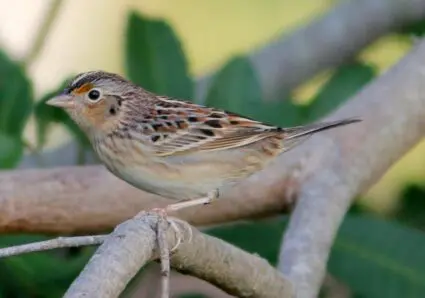
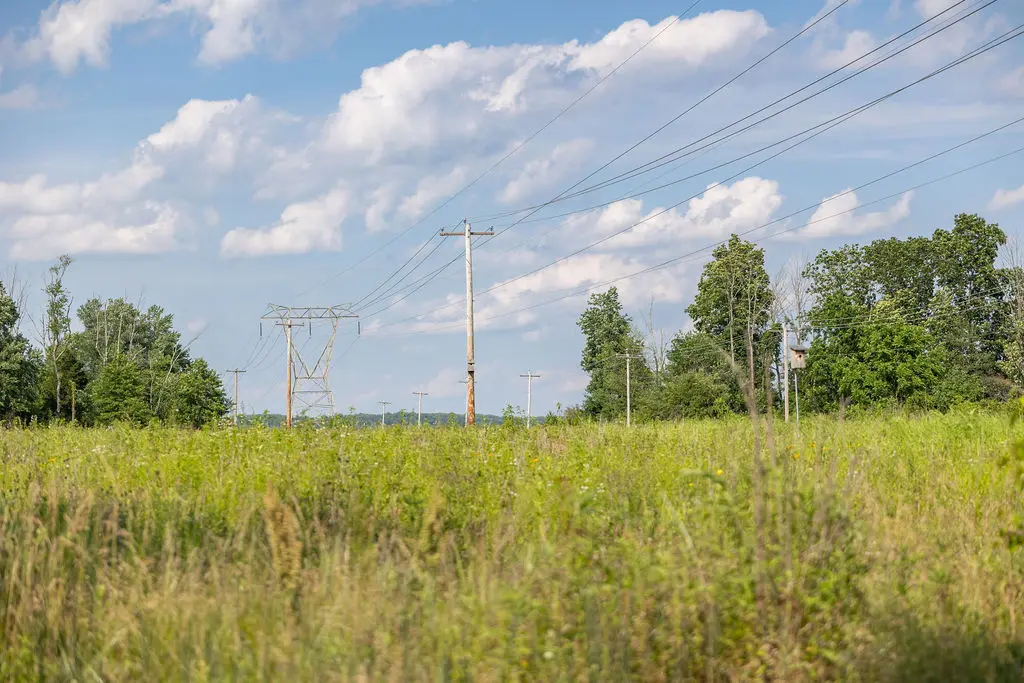
We know pollinator meadows offer a powerful solution to intensifying conservation and ecological challenges. These special natural places provide food and shelter for the birds, insects, reptiles, amphibians, and mammals that help create a healthy ecosystem.
Supporting Critical Pollinators
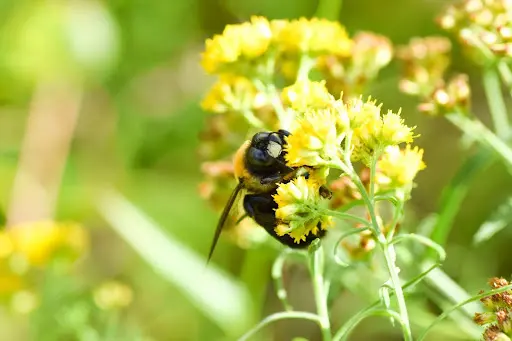
Pollinators face unprecedented threats from habitat loss, pesticides, invasive plants, and climate change. Every plant that flowers requires pollination to reproduce, and bees are one of the most important pollinators on the planet. More than 400 bee species are found in Pennsylvania alone. The majority of these native populations are in decline.
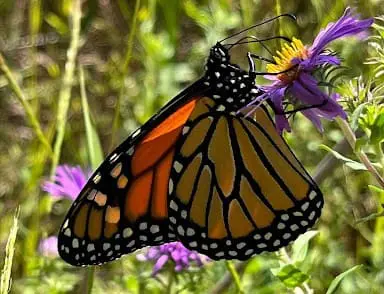
Along with native bees, butterflies, moths, and other pollinators have lost much of their natural habitat to development and certain types of conventional agriculture. Acting as an essential refuge, pollinator meadows help insects find the diverse array of native plants they’ve evolved alongside over the millennia. Our meadows bloom throughout the growing season to offer important food sources from spring through late fall.
Serving the Food Chain
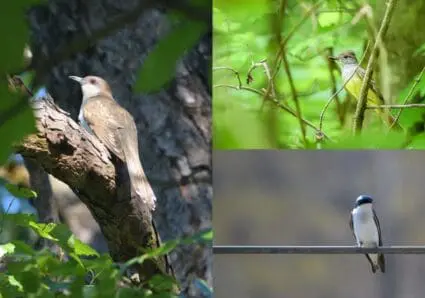
Pollinator meadows have a ripple effect up the food chain as they lure and sustain the creatures that feed other animals. For example, birds and other wildlife depend on insects as a source of protein. By supporting insect populations, pollinator meadows power local networks of intersecting food chains. Creatures that serve as pollinators are vital to both local agriculture and the global food supply. The USDA reports that an estimated 75% of the world’s flowering plants and 35% of the world’s food crops depend on pollinators. In addition to their pollination services, these birds and insects also provide natural pest control by preying on agricultural pests in nearby farm fields.
A Practical Conservation Solution
Pollinator meadows can be planted in various sizes and settings, including abandoned lots and roadsides. Meadows can replace lawns or act as buffer zones around agricultural fields. With limited upkeep once established, they save on maintenance costs and resources to prove both environmentally and economically sustainable.
The deep root systems of native grasses and wildflowers improve soil health, reduce erosion, sequester carbon, and help water infiltration — preventing flooding and filtering runoff.
Connectivity
Pollinator meadows help create connected landscapes that allow wildlife populations to move, feed, and reproduce across fragmented habitats. Meadows become part of a broader network of corridors for pollination and migrations.
Pollinator meadows provide a practical solution in the face of climate change. By supporting the creatures that pollinate our food crops and wild plants, we foster the resilience of the natural world that sustains us all.
Considering A Pollinator Meadow of Your Own?
Pollinator meadows are a great alternative to lawns. They are hardy and tolerate our local climate and rainfall. They do not require feeding, watering, or pesticides. You will want to commit to pulling invasives and learning about the best native plants and meadow grasses to sow. And you may want to mow a path through your meadow so you can enjoy exploring it.
Need inspiration?
Visit our pollinator meadows at Heritage Conservancy’s Jackson Pond or Russell-Mandel Nature Preserves.